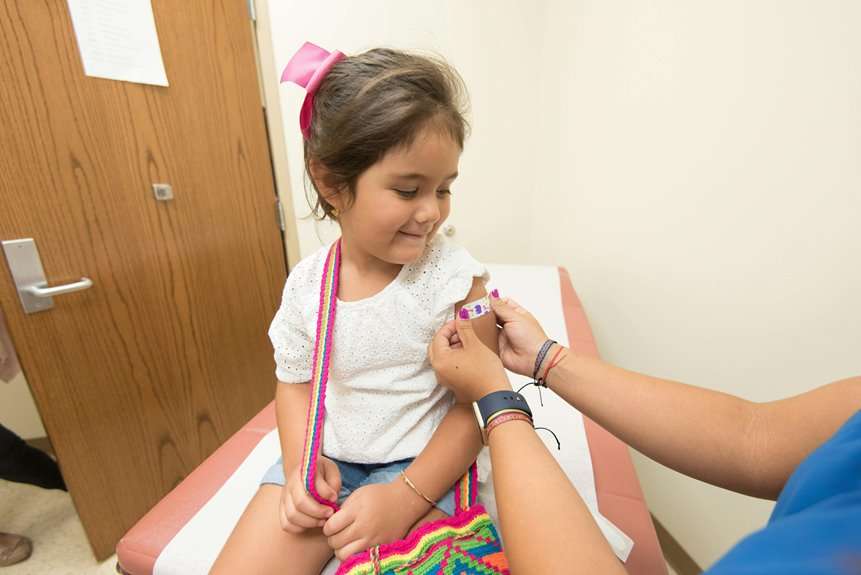
Pediatric techniques are distinctively tailored to address the unique anatomical, physiological, and developmental needs of children, which starkly contrast with those of adults. This specialization is not merely a matter of scale; it involves nuanced understanding of growth patterns, communication strategies, and safety considerations that guarantee effective and compassionate care. As we explore the rationale behind these specialized techniques, it becomes evident that the implications extend far beyond immediate treatment, raising questions about long-term outcomes and the overall approach to pediatric health. What remains to be examined are the intricate details that shape this crucial aspect of healthcare.
Understanding Pediatric Anatomy
Although pediatric anatomy shares fundamental similarities with adult anatomy, it is essential to recognize the distinct differences that arise from the unique developmental stages of children. The pediatric population encompasses a wide range of ages, from neonates to adolescents, each characterized by specific anatomical variations and physiological processes.
One of the most important differences is the proportionate size of body parts; for instance, infants have larger heads relative to their bodies compared to adults. Additionally, the composition of tissues varies, with children having higher percentages of water and a different distribution of fat and muscle. This impacts the pharmacokinetics of medications and necessitates careful consideration in medical treatments.
Furthermore, children's bones are still developing, featuring growth plates that make them more susceptible to certain types of injuries. The respiratory and cardiovascular systems also differ considerably; children have higher respiratory rates and heart rates, which must be taken into account during assessment and intervention.
Understanding these anatomical and physiological distinctions is vital for healthcare professionals to provide effective and safe care tailored to the pediatric population, ensuring that interventions are appropriate for their unique developmental needs.
Developmental Milestones Impact
Recognizing the distinct anatomical and physiological characteristics of pediatric patients is fundamental in understanding how developmental milestones impact their health and well-being.
These milestones, which include motor skills, language development, and social-emotional growth, serve as essential indicators of a child's overall development and can influence pediatric care strategies.
Each milestone achieved reflects the intricate interplay of biological, environmental, and social factors. For instance, the timing of gross motor skills—such as crawling and walking—can affect a child's physical health and risk for injuries. Delays in these areas may necessitate early intervention services to address potential developmental disorders.
Language milestones are equally important; delays can indicate underlying issues that may affect communication and social interactions. Recognizing these signs early allows for timely therapeutic interventions, enhancing long-term outcomes.
Furthermore, social-emotional milestones are vital for establishing healthy relationships and coping mechanisms. Pediatric care must take these milestones into account to tailor interventions appropriately, fostering resilience and adaptive skills in children.
Specialized Techniques Overview
Specialized techniques in pediatric care are essential for addressing the unique needs of children at various developmental stages. Pediatric practitioners employ these techniques to guarantee effective treatment while minimizing discomfort and anxiety that children may experience in clinical settings. The approach is tailored to accommodate the physical, emotional, and cognitive differences between children and adults.
One of the key components of pediatric techniques is the use of age-appropriate communication strategies. Practitioners often utilize visual aids, storytelling, and interactive tools to explain procedures, fostering a sense of understanding and cooperation. Additionally, the environment in which pediatric care is delivered is carefully designed to be welcoming and non-threatening, which can greatly alleviate fear.
Furthermore, specialized techniques often encompass a range of interventions that consider the child's growth patterns. For instance, modifications in assessment tools and treatment protocols are made to reflect the physiological variations in children. This includes adapting dosages for medications, employing less invasive diagnostic procedures, and utilizing equipment calibrated specifically for smaller anatomies.
Gentle Adjustment Methods
Gentle adjustment methods are essential in pediatric care, focusing on providing comfort and reassurance during treatment. These techniques are specifically designed to accommodate the unique anatomical and physiological characteristics of children, ensuring that interventions are both effective and minimally invasive.
Practitioners utilize a range of gentle techniques, including low-force adjustments and soft tissue manipulation, aimed at reducing discomfort and anxiety. This approach not only helps in alleviating musculoskeletal issues but also fosters a trusting relationship between the healthcare provider and the child.
The application of gentle adjustments considers the child's developmental stage, recognizing that younger patients often have more sensitive nervous systems. As a result, adjustments are executed with a softer touch, using tools and instruments that assist in delivering the required force without causing distress.
Furthermore, the environment in which these adjustments are performed is tailored to be welcoming and calming, which plays a crucial role in the child's overall experience.
Common Pediatric Conditions
Common pediatric conditions encompass a wide range of health issues that affect children at various stages of development. Among the most prevalent are respiratory infections, such as asthma and pneumonia, which can greatly impact a child's ability to breathe and engage in physical activities.
Gastrointestinal disorders, including gastroesophageal reflux disease (GERD) and constipation, are also common, often leading to discomfort and nutritional challenges.
Infectious diseases, such as chickenpox and hand-foot-and-mouth disease, frequently occur in pediatric populations and can spread rapidly in community settings. Additionally, conditions like attention-deficit/hyperactivity disorder (ADHD) and autism spectrum disorder (ASD) affect children's cognitive and social functioning, necessitating tailored interventions and support.
Another major category of common pediatric conditions involves musculoskeletal issues, such as scoliosis and developmental dysplasia of the hip, which can influence mobility and posture.
Pediatric obesity is increasingly recognized as a critical public health issue, leading to a higher risk of chronic conditions later in life.
Understanding these common conditions is essential for healthcare providers, as early diagnosis and intervention can lead to improved outcomes and overall well-being for children and their families.
Family-Centered Care Approach
In addressing the diverse health challenges faced by children, a family-centered care approach has emerged as an essential framework in pediatric healthcare. This model emphasizes the integral role that families play in the health and well-being of their children. By recognizing that children are not isolated individuals but rather part of a larger familial unit, healthcare providers can better address the emotional, social, and developmental needs of their young patients.
Family-centered care involves active collaboration between healthcare professionals and family members, ensuring that families are partners in the decision-making process. This approach fosters open communication, allows for the incorporation of family values and preferences, and improves the overall care experience. By engaging families, healthcare providers can gain valuable insights into the child's history, preferences, and unique circumstances, which can lead to more tailored and effective treatment plans.
Moreover, family-centered care acknowledges the stress and anxiety that medical situations can impose on families. By providing support and resources, healthcare teams can help families navigate the complexities of pediatric care, thereby promoting a more positive healthcare experience for both children and their families.
Ultimately, this approach enhances the quality of care and leads to improved health outcomes for children.
Importance of Communication
Effective communication stands at the heart of pediatric healthcare, playing a significant role in bridging the gap between healthcare providers, children, and their families. In pediatric settings, the ability to convey information clearly and empathetically is essential, as children often lack the verbal skills to articulate their feelings or symptoms. This necessitates a tailored approach to communication that considers the developmental stage of the child, ensuring that information is presented in an age-appropriate manner.
Moreover, involving families in the dialogue fosters a collaborative environment where parents and caregivers feel empowered and informed. This partnership enhances the effectiveness of care, as families can provide important insights into the child's history, preferences, and concerns. By actively listening and responding to both children and their families, healthcare providers can build trust and rapport, which is key for successful treatment outcomes.
Additionally, effective communication aids in alleviating anxiety for both children and their families. By providing clear explanations about procedures, outcomes, and expectations, healthcare providers can help demystify the healthcare experience, making it more approachable for young patients.
Ultimately, prioritizing communication in pediatric care is fundamental to delivering compassionate and effective healthcare.
Safety Considerations in Treatment
Ensuring safety during treatment is a vital concern in pediatric healthcare, as children are particularly vulnerable to medical errors and adverse reactions. Their physiological differences, such as body size and metabolism, necessitate the use of age-appropriate dosing and treatment protocols.
Additionally, children may be unable to articulate their symptoms or understand the procedures being performed, which can complicate clinical assessments and increase the risk of misdiagnosis.
To mitigate these risks, healthcare providers must adhere to strict guidelines tailored specifically for pediatric patients. This includes rigorous double-checking of medications and dosages, as well as employing weight-based calculations to determine the correct amount of treatment.
Furthermore, the utilization of child-friendly equipment, designed to accommodate smaller bodies, can enhance safety during procedures.
In addition, ongoing staff training in pediatric care is essential to maintain awareness of best practices and emerging safety protocols.
Environmentally, creating a calming atmosphere can help alleviate anxiety, which is vital for both the child and healthcare personnel during treatment.
Role of Parental Involvement
Recognizing the significant role parents play in pediatric healthcare can greatly enhance the treatment process for children. Parents are not merely caregivers; they are integral partners in the healthcare journey. Their involvement provides essential insights into their child's medical history, behavioral patterns, and emotional needs, enabling healthcare providers to tailor treatment plans effectively.
Effective communication between parents and healthcare professionals fosters a collaborative environment. When parents are actively engaged, they can ask questions, express concerns, and contribute to decision-making, which ultimately leads to a more thorough understanding of the child's health needs. This partnership can also improve adherence to treatment protocols, as parents can reinforce medical advice at home and guarantee that follow-up appointments and medications are managed appropriately.
Moreover, parental presence during medical visits can alleviate anxiety for children, creating a sense of security. By engaging parents in the treatment process, healthcare providers can also educate them about specific pediatric techniques, empowering them to advocate for their child's health.
Ultimately, the role of parental involvement in pediatric care is essential, as it not only enhances the quality of care but also supports the emotional well-being of the child throughout their healthcare experiences.
Long-Term Benefits of Care
The active involvement of parents not only enhances immediate care but also lays the groundwork for long-term benefits in pediatric healthcare. Engaging parents in their child's health journey fosters a supportive environment that encourages healthy habits from an early age. This active participation can lead to improved health outcomes, as children whose parents are involved are more likely to adhere to treatment plans and follow preventive care guidelines.
Moreover, parental involvement helps in the development of effective communication skills between caregivers and healthcare providers, ensuring that concerns are addressed promptly and thoroughly. This ongoing dialogue can facilitate early detection of potential health issues, minimizing complications and enhancing overall well-being.
Additionally, the establishment of a trusting relationship between families and healthcare providers can reduce anxiety surrounding medical visits, leading to increased compliance with necessary interventions.
Over time, these dynamics contribute to a more proactive approach to health management, instilling lifelong habits that promote wellness.
Conclusion
In summary, pediatric techniques are vital due to the distinct anatomical and physiological characteristics of children. Specialized approaches that consider developmental milestones, safety, and effective communication are important in providing ideal care. The involvement of parents enhances the treatment experience, fostering a supportive environment for the child. Ultimately, tailored interventions not only address immediate health concerns but also promote long-term benefits, ensuring healthier futures for pediatric patients.