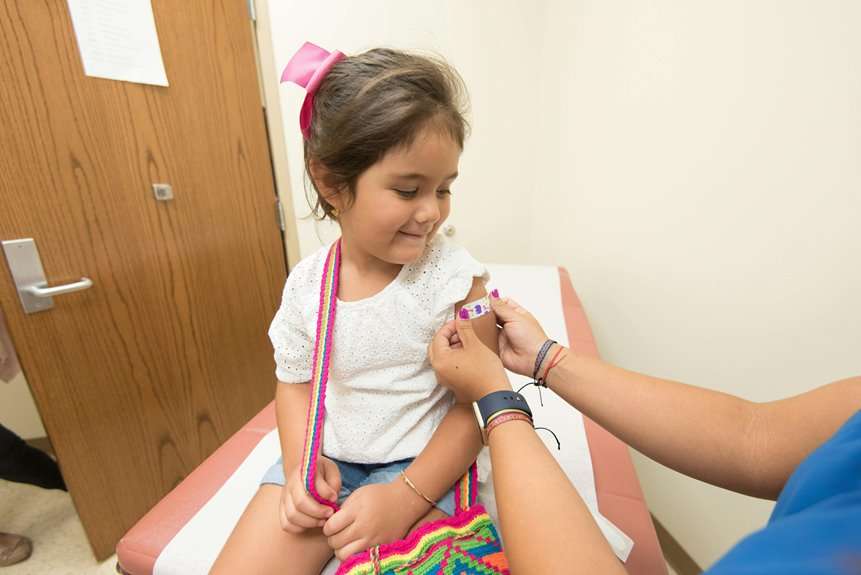
The discussion surrounding pediatric chiropractic adjustments often centers on their gentleness, raising questions about their efficacy for children. While practitioners utilize specialized techniques tailored to the delicate structures and unique needs of growing bodies, some parents express concern that such methods may lack the intensity required for meaningful results. This perception prompts an exploration of the balance between safety and effectiveness in treatment. As we consider the implications of these adjustments on children's health, it becomes essential to evaluate both evidence and anecdotal experiences. What do the experts say, and how do parents navigate these decisions?
Understanding Pediatric Chiropractic
When considering the health and well-being of children, understanding pediatric chiropractic care is fundamental for parents and caregivers alike. Pediatric chiropractic focuses on the unique spinal and neurological needs of children, recognizing that their bodies are still developing. This specialized branch of chiropractic care employs gentle, precise adjustments tailored to a child's size, age, and specific health conditions.
Research indicates that pediatric chiropractic can be beneficial for various childhood ailments, including colic, ear infections, and spinal misalignments. By addressing these issues early, pediatric chiropractors aim to enhance overall health and support the body's natural ability to heal. This approach is grounded in the philosophy that a well-aligned spine contributes to optimal nervous system function, which is critical for a child's growth and development.
It is important for parents to choose qualified practitioners who have undergone specialized training in pediatric care. These professionals not only understand the anatomical differences in children's bodies but also employ techniques that prioritize safety and comfort.
Ultimately, pediatric chiropractic care serves as a complementary approach to conventional medicine, focusing on holistic health and the prevention of future health issues.
Key Differences in Techniques
In pediatric chiropractic care, the techniques employed markedly differ from those used in adult treatments, reflecting the unique anatomical and physiological characteristics of children's bodies. Pediatric practitioners often utilize lighter, more precise adjustments that are tailored to the developmental stage of the child.
Unlike adult adjustments, which may involve more forceful maneuvers to realign the spine and joints, pediatric adjustments prioritize gentle contact and subtle movements, aimed at promoting ideal nervous system function without causing discomfort.
The use of specialized tools, such as activators or low-force instruments, is common in pediatric care to enhance safety and comfort. Additionally, chiropractors may incorporate gentle stretching, myofascial release, and craniosacral techniques, which are particularly beneficial for addressing conditions like colic, ear infections, and developmental delays.
Moreover, the focus in pediatric chiropractic is not solely on spinal alignment; practitioners often assess the whole body, considering how various systems interact and contribute to overall health.
This holistic approach guarantees that children receive thorough care that supports their growth and development, distinguishing pediatric care from adult chiropractic practices.
Importance of Gentle Adjustments
Recognizing the delicate nature of a child's developing body, gentle adjustments in pediatric chiropractic care play an important role in ensuring safety and efficacy. Children's musculoskeletal systems are still forming, making them more susceptible to injury from aggressive manipulations. Gentle techniques minimize the risk of discomfort or harm, allowing practitioners to address misalignments effectively without overstressing the child's body.
Moreover, gentle adjustments promote a positive experience for young patients. Children are often apprehensive about medical treatments; therefore, a gentle approach can foster trust between the child and the chiropractor. This trust is vital for encouraging ongoing care and instilling a sense of well-being.
The principles of pediatric chiropractic care emphasize the importance of tailoring techniques to suit the individual needs of each child. Gentle adjustments consider various factors, including age, size, and specific health concerns, ensuring a customized approach that prioritizes the child's comfort and health.
Incorporating gentle techniques allows for effective communication of care principles, reinforcing the idea that chiropractic treatment can be a safe and beneficial option for children.
Ultimately, gentle adjustments are foundational to pediatric chiropractic, establishing a nurturing environment conducive to healing.
Benefits for Growing Bodies
Supporting the growth and development of children through chiropractic care offers numerous benefits for their evolving bodies. Pediatric adjustments can help enhance the body's natural ability to adapt and respond to the stresses of daily life, promoting overall physical health.
One significant benefit is improved spinal alignment, which can contribute to better posture and alleviate discomfort associated with musculoskeletal issues. As children engage in various physical activities, proper alignment supports their performance and reduces the risk of injury.
Additionally, chiropractic care can aid in the development of the nervous system, ensuring ideal communication between the brain and the body. This support can enhance coordination, balance, and overall athletic performance, essential elements as children grow and participate in sports or physical education.
Moreover, regular adjustments may help regulate sleep patterns and boost immune function, providing children with the resilience they need during critical growth periods.
Safety and Effectiveness
While concerns about safety and effectiveness are common among parents considering chiropractic care for their children, research supports the use of pediatric adjustments as a safe and beneficial practice. Numerous studies indicate that chiropractic adjustments performed on children are associated with minimal adverse effects, often less than those associated with standard pediatric treatments.
Pediatric chiropractors are extensively trained to handle the unique anatomical and physiological aspects of children's bodies, employing techniques that are both gentle and specifically tailored to their developmental needs. The force applied during these adjustments is considerably less than that used in adult treatments, focusing primarily on restoring ideal spinal alignment and promoting overall wellness.
Additionally, the efficacy of pediatric chiropractic care has been documented in various clinical settings, showcasing improvements in conditions such as colic, asthma, and postural issues. Parents report positive outcomes, including enhanced mobility and reduced discomfort, further reinforcing the role of chiropractic care as a complementary health approach for children.
As with any healthcare decision, it is essential for parents to consult with qualified practitioners and consider individual health needs when exploring chiropractic options for their children.
Common Myths Debunked
Misunderstandings about chiropractic care for children can lead to hesitation among parents considering this treatment option. One prevalent myth is that chiropractic adjustments for children are excessively forceful. In reality, pediatric adjustments are specifically designed to be gentle and appropriate for a child's developing body. Chiropractors trained in pediatrics utilize techniques that are tailored to the size and condition of the child, making them safe and effective.
Another common misconception is that chiropractic care is only beneficial for children with severe conditions. However, many children receive chiropractic care for common issues such as colic, headaches, and musculoskeletal discomfort. Early intervention can help prevent more serious problems later in life.
Additionally, some parents believe that chiropractic care is not safe because it involves spinal manipulation. It is important to note that pediatric chiropractors undergo extensive training to understand the unique anatomical and physiological needs of children. This expertise guarantees that treatments are both safe and beneficial.
Lastly, skepticism about chiropractic's efficacy persists, but numerous studies support its positive impact on children's health and wellness, highlighting the importance of separating fact from fiction in pediatric chiropractic care.
Parental Concerns Addressed
Steering through the world of pediatric chiropractic care can raise various concerns among parents, particularly regarding the safety and effectiveness of treatment. Many parents question whether the techniques used are appropriate for children, given their developing bodies.
It is essential to understand that pediatric chiropractic adjustments are specifically tailored to the unique physiological characteristics of children. Practitioners undergo specialized training to guarantee that their methods are safe and effective for younger patients.
Another common concern is the potential for adverse effects. Research indicates that when performed by trained professionals, pediatric chiropractic care is generally safe. Many practitioners utilize gentle, non-invasive techniques that are far less forceful than those used for adults. This gentleness is important, as it aligns with the inherent sensitivity of a child's musculoskeletal system.
Parents may also worry about the necessity of chiropractic adjustments for their children. Conditions like colic, asthma, and ear infections have been reported to improve with chiropractic care, but it is imperative to consult a healthcare professional for a thorough evaluation.
Open communication with the chiropractor can help address these concerns, confirming that parents feel confident about their child's treatment plan.
Real-Life Success Stories
Many families have experienced remarkable improvements in their children's health and well-being through pediatric chiropractic care. One notable case involved a six-year-old boy suffering from chronic ear infections. After a series of gentle adjustments, his parents reported a significant decrease in the frequency of infections, leading to a reduction in antibiotic use and improved overall health.
Similarly, a young girl with scoliosis displayed noticeable changes following chiropractic treatment. Her posture improved, and her discomfort diminished, allowing her to participate in physical activities she previously avoided. The girl's increased confidence also had a positive impact on her social interactions and general demeanor.
In another instance, a toddler with sleep disturbances exhibited marked improvements after chiropractic adjustments. Parents noted that their child began sleeping through the night, leading to a more rested and happier family environment.
These success stories underscore the potential benefits of pediatric chiropractic care. Families have found that gentle adjustments not only address specific health concerns but also enhance their children's overall quality of life.
As more families share their experiences, the growing body of evidence highlights the positive role chiropractic care can play in pediatric health management.
Choosing the Right Chiropractor
As families consider the positive outcomes associated with pediatric chiropractic care, selecting the right chiropractor becomes an important step in ensuring their child's health and well-being.
When searching for a chiropractor, it is essential to verify their qualifications and experience specifically in pediatric care. Look for practitioners who possess specialized training in child adjustments and have a proven track record of working with children.
Parents should also seek recommendations from trusted sources, such as pediatricians, other parents, or reputable health organizations. It can be beneficial to schedule a preliminary consultation, allowing parents to ask questions regarding the chiropractor's approach, techniques, and philosophy on pediatric care.
Observing the office environment and staff interaction can provide insight into the practice's suitability for children. Additionally, consider the chiropractor's communication style and ability to engage with both the child and the parents. A compassionate and understanding approach can greatly enhance the experience for young patients.
Ultimately, choosing a chiropractor who prioritizes the child's comfort and safety, coupled with a holistic view of health, will foster a positive chiropractic journey for the entire family.
Conclusion
Pediatric chiropractic adjustments are tailored to accommodate the unique anatomical and neurological characteristics of children, ensuring both safety and efficacy. The gentle techniques employed are not only appropriate but also beneficial for addressing common childhood ailments. Significant evidence supports the effectiveness of these adjustments in promoting overall health and well-being in growing bodies. By dispelling myths and addressing parental concerns, pediatric chiropractic care emerges as a valuable option for enhancing children's health without compromising comfort or safety.