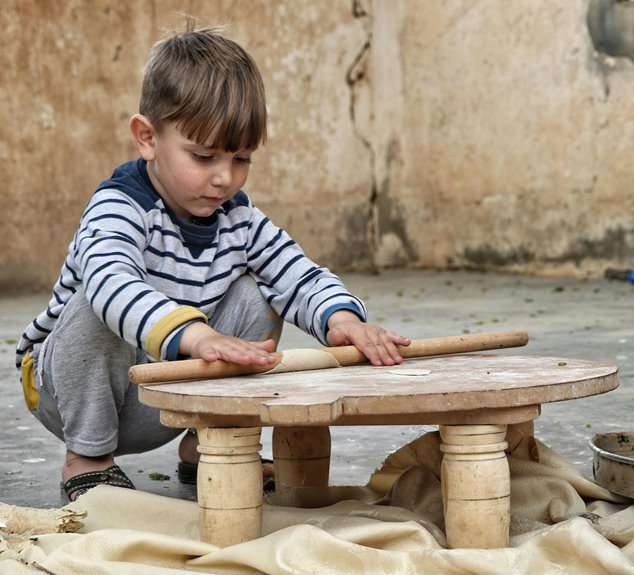
The benefits for children's development extend far beyond mere physical growth; they encompass a range of critical factors that influence emotional, cognitive, and social well-being. Enhanced nervous system function, improved posture, and better sleep quality are just the beginning. As these elements intertwine, they contribute to a child's focus, resilience, and capacity for healthy peer interactions. Understanding how these advantages manifest and their long-term implications raises important questions about the environments and practices that best support developmental progress. What specific strategies can parents and educators employ to maximize these benefits for every child?
Enhanced Nervous System Function
The nervous system serves as the body's intricate communication network, and its ideal function is vital for children's overall development. An enhanced nervous system supports cognitive, emotional, and physical growth, allowing children to navigate their environment effectively. The central and peripheral nervous systems work together to transmit signals that influence behavior, learning, and coordination.
Developmentally, improved nervous system function can lead to better attention span, memory retention, and problem-solving skills. Children with well-functioning nervous systems can process sensory information more efficiently, enabling them to engage with their surroundings and learn from experiences. This heightened responsiveness fosters curiosity and encourages exploration, key components in a child's developmental journey.
Moreover, a robust nervous system is essential for emotional regulation. Children equipped with enhanced neural pathways can manage stress and adapt to changes more effectively. This adaptability contributes to social skills, allowing for healthier interactions with peers and adults.
Improved Posture and Alignment
How does improved posture and alignment contribute to a child's overall development? Proper posture and alignment are essential for a child's physical health and can greatly impact their growth and development.
Good posture guarantees that the body maintains ideal alignment, which is fundamental for the effective functioning of the musculoskeletal system. This alignment reduces strain on muscles and ligaments, allowing for greater ease of movement and preventing injuries.
Moreover, improved posture enhances core stability, which is crucial for various physical activities and sports. A strong core supports balance and coordination, essential skills for children as they engage in play and structured activities.
Additionally, proper alignment can foster better breathing patterns, allowing for improved oxygen intake, which is particularly important during physical exertion.
Furthermore, good posture contributes to a child's self-esteem and confidence, as children who carry themselves well are often perceived more positively by peers and adults.
Better Sleep Quality
While various factors influence a child's overall health, better sleep quality stands out as an indispensable element for ideal development. Adequate sleep is essential for cognitive functions, emotional regulation, and physical growth.
During sleep, the brain consolidates memories and processes information acquired throughout the day, which enhances learning and academic performance. Children who experience quality sleep are more likely to demonstrate improved attention spans, problem-solving abilities, and creativity.
Moreover, quality sleep contributes to emotional stability. Children who sleep well are generally more resilient, better equipped to handle stress, and exhibit fewer behavioral issues. This emotional regulation can lead to stronger relationships with peers and family members, fostering social skills fundamental for lifelong development.
Physiologically, sleep plays a significant role in growth hormone production, which is critical during childhood and adolescence.
Additionally, restorative sleep promotes overall physical health, allowing children to engage in daily activities with vigor and enthusiasm.
Boosted Immune System
What role does a robust immune system play in a child's development? A strong immune system is crucial for children as it serves as their first line of defense against pathogens, thereby reducing the incidence of infections and illnesses. This protection not only contributes to overall health but also allows children to engage more actively in daily activities, whether academic or recreational.
Moreover, a well-functioning immune system is essential for proper growth and development. Frequent illnesses can hinder a child's physical growth and cognitive development, leading to long-term consequences. When children are healthy, they are more likely to thrive in educational settings, as they can attend school regularly and participate in social interactions without the interruptions caused by illness.
Additionally, nurturing a robust immune response during formative years can instill lifelong healthy habits, including proper nutrition and regular physical activity. These habits further enhance immune function and overall well-being.
Increased Focus and Concentration
Children's ability to focus and concentrate greatly influences their academic performance and overall development. Enhanced focus allows children to absorb information more effectively, leading to improved comprehension and retention of material. This skill is crucial in an educational environment, where distractions abound and the ability to engage with lessons directly correlates with learning outcomes.
Moreover, increased concentration fosters critical thinking and problem-solving abilities. Children who can maintain attention on tasks are better equipped to analyze situations, draw conclusions, and develop creative solutions. This cognitive engagement not only aids in academic success but also builds confidence in their intellectual capabilities.
Additionally, cultivating focus can lead to improved social interactions. Children who can concentrate are more likely to participate in group activities and discussions, fostering collaboration and communication skills. These social competencies are essential for building relationships and maneuvering through social dynamics throughout life.
Support for Growth Milestones
Support for growth milestones is vital in ensuring that children develop the skills and abilities necessary for their age. These milestones encompass a wide range of developmental areas, including physical, cognitive, social, and emotional growth. By providing appropriate support, caregivers and educators can foster an environment conducive to achieving these milestones, ultimately shaping a child's ability to navigate future challenges.
Early interventions, such as targeted activities and play-based learning, can markedly enhance a child's developmental trajectory. For instance, engaging in interactive play promotes fine and gross motor skills, while also encouraging social interactions among peers.
Additionally, fostering a secure emotional environment helps children develop resilience and self-regulation, essential components for lifelong learning.
Monitoring growth milestones also allows for the early identification of any developmental delays or concerns. This proactive approach enables timely intervention, ensuring that children receive the necessary resources and support to thrive.
Conclusion
To sum up, the multifaceted benefits of children's development encompass enhanced nervous system function, improved posture, better sleep quality, and a strengthened immune system. These factors collectively contribute to increased focus, concentration, and emotional regulation, which are essential for cognitive growth and social interactions. Additionally, support for growth milestones through interactive play and secure environments fosters resilience and healthy peer relationships. Together, these elements create a robust foundation for lifelong learning and overall well-being in children.