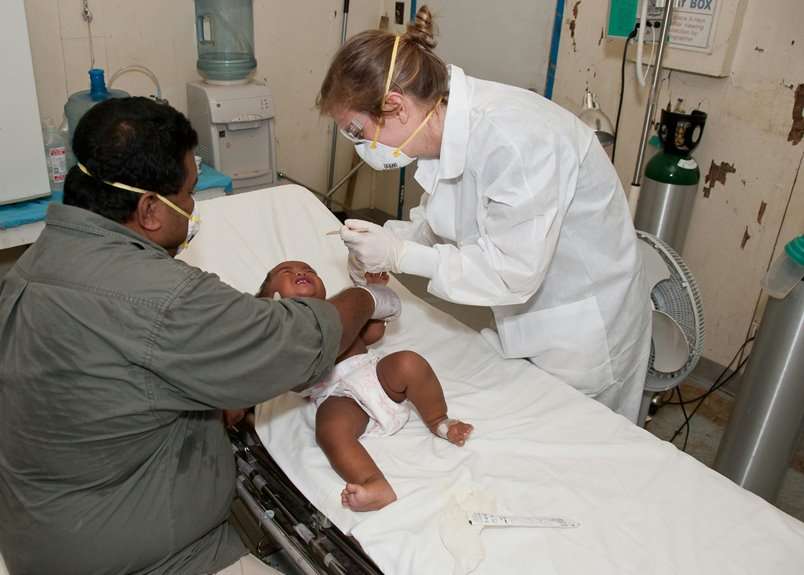
The distinction between pediatric care and adult treatment is pivotal, as it encompasses not only physiological differences but also varying developmental needs. Pediatric care emphasizes a holistic approach, prioritizing growth and preventative measures tailored to the unique stages of childhood. Unlike adult treatment, which often centers on chronic condition management, pediatric practices adapt their techniques and communication strategies to suit younger patients. This raises important questions about the effectiveness of traditional adult treatment methodologies when applied to children. How do these differences shape health outcomes, and what implications do they hold for future practices?
Understanding Chiropractic Basics
Chiropractic care, rooted in the belief that proper spinal alignment is vital for overall health, aims to address musculoskeletal disorders and their impact on the nervous system. This holistic approach focuses on the relationship between the spine, nervous system, and overall bodily function, emphasizing the importance of spinal adjustments in promoting ideal health.
Chiropractors utilize manual techniques, including spinal manipulations, to restore proper alignment and mobility to the spine. These adjustments can alleviate pain, improve function, and enhance the body's inherent ability to heal.
Chiropractic care also encompasses various modalities such as soft tissue therapy, exercise recommendations, and lifestyle counseling, all aimed at supporting the patient's overall well-being.
The principles of chiropractic care apply to individuals of all ages, but the techniques and approaches may differ considerably between children and adults. While the fundamental concepts remain consistent, the treatment methods must be tailored to accommodate the developmental stages and physiological differences of pediatric patients.
Understanding these foundational principles of chiropractic care is essential for recognizing how treatment strategies evolve, ensuring that both children and adults receive the most effective care suited to their unique needs.
Growth and Development Considerations
When considering chiropractic care for pediatric patients, it is important to recognize the unique aspects of growth and development that influence treatment approaches. Children undergo rapid physical changes, and their musculoskeletal systems are in a constant state of evolution, which requires a tailored approach to care.
Unlike adults, pediatric patients have developing spines and joints that can affect their overall health and alignment differently. The growth plates in children's bones are areas of active growth and are particularly sensitive to stress, making it critical for chiropractic practitioners to employ careful assessment methods.
Additionally, children often present with different patterns of pain and discomfort, influenced by their level of activity, developmental milestones, and even psychosocial factors. Understanding these growth-related considerations is essential for effective chiropractic care.
Treatment plans must be adaptive, taking into account not only the physical condition but also the child's age, growth stage, and individual needs. This holistic approach guarantees that practitioners can support healthy development while minimizing the risk of injury or complications during treatment.
Treatment Techniques for Different Ages
Different age groups require distinct treatment techniques in chiropractic care, as the needs and responses of pediatric patients vary considerably from those of adults.
In infants and toddlers, treatments often focus on gentle, non-invasive techniques, such as craniosacral therapy and gentle mobilizations, to address common issues like colic or torticollis. Practitioners must consider the delicate nature of a child's developing spine and nervous system, ensuring that adjustments do not exert undue pressure.
As children grow, they may benefit from a broader range of techniques, including specific spinal adjustments tailored to their increasing physical activity and sports participation. In this stage, practitioners often incorporate functional assessments to identify any postural or biomechanical issues that may arise due to growth spurts.
Adolescents, who are nearing adulthood, may require treatment that more closely resembles adult care but still takes into account their ongoing development. Techniques used at this age may include manual therapies, rehabilitation exercises, and education on injury prevention.
Common Conditions Treated
Pediatric patients often present with a variety of conditions that can considerably impact their health and development. Commonly treated conditions include respiratory infections, such as asthma and pneumonia, which can severely affect a child's breathing and overall well-being.
Gastrointestinal issues, including gastroesophageal reflux disease (GERD) and constipation, are also prevalent and can lead to significant discomfort and nutritional challenges.
Additionally, pediatric care frequently addresses infectious diseases, including viral illnesses like influenza and bacterial infections such as strep throat. Chronic conditions, such as diabetes and obesity, require ongoing management and interdisciplinary approaches that focus on lifestyle modifications and medication adherence.
Mental health conditions, including anxiety and attention-deficit/hyperactivity disorder (ADHD), are increasingly recognized within pediatric populations, necessitating thorough evaluations and tailored treatment plans.
Furthermore, developmental disorders, such as autism spectrum disorder, require specialized interventions to support the child's growth and learning.
Pediatric care must also consider growth-related issues, such as delayed puberty or growth hormone deficiencies, ensuring timely interventions to promote healthy development. Each of these conditions underscores the unique challenges and considerations inherent in pediatric healthcare.
Communication With Young Patients
Effective communication with young patients is essential for establishing trust and ensuring accurate diagnosis and treatment. Given their developmental stages and varying comprehension levels, healthcare providers must tailor their communication strategies accordingly. Utilizing age-appropriate language and concepts allows providers to convey important information effectively, ensuring that young patients can understand their conditions and the proposed treatments.
Furthermore, active listening plays a key role in fostering an open dialogue. Encouraging children to express their feelings, concerns, and symptoms enables providers to gather critical information while making the patient feel heard and valued. Non-verbal communication, such as maintaining eye contact and using approachable body language, can also enhance the patient-provider relationship.
In addition to verbal exchanges, visual aids such as diagrams, toys, or animations can help demystify medical procedures, making them less intimidating. This approach not only aids comprehension but also empowers young patients, giving them a sense of control over their healthcare experience.
Ultimately, effective communication strategies that consider the unique needs of young patients contribute greatly to positive health outcomes, adherence to treatment plans, and overall satisfaction with the healthcare experience.
Family Involvement in Care
Involving families in the care of young patients greatly enhances the treatment process and outcomes. Family members play a critical role in supporting the child's health, both emotionally and physically. Their involvement can foster a sense of security for the child, guaranteeing that they feel safe and understood throughout their treatment journey.
When families are actively engaged in the care process, they can provide invaluable information regarding the child's medical history, preferences, and behavioral patterns. This information can inform treatment decisions and contribute to a more personalized approach, ultimately leading to better adherence to medical advice and improved health outcomes.
Additionally, families can assist in the management of chronic conditions, reinforcing treatment plans by monitoring symptoms and medication schedules.
Effective communication between healthcare providers and families is essential in facilitating this involvement. By including family members in discussions about treatment options, healthcare professionals can guarantee that everyone is aligned on the goals of care.
This collaborative approach not only enhances the child's experience but also empowers families, equipping them with the knowledge and resources needed to advocate for their child's health. Ultimately, fostering family involvement is a cornerstone of effective pediatric care.
Safety and Risk Factors
Guaranteeing safety in pediatric care involves a multifaceted approach that addresses various risk factors unique to children. Unlike adults, children's physiological and developmental differences necessitate specific considerations when it comes to treatment and medication. For instance, weight-based dosing is essential in pediatrics, as improper dosing can lead to under-treatment or toxicity.
Moreover, children are more susceptible to certain infections and adverse reactions due to their immature immune systems. This vulnerability requires healthcare providers to be vigilant about preventive measures, such as vaccinations and hygiene practices, to mitigate risks.
Another significant aspect is the environment in which care is provided. Pediatric facilities must be designed to prevent accidents and injuries, which are more common in younger populations. This includes safeguarding against falls, choking hazards, and exposure to harmful substances.
Additionally, effective communication with families is crucial for identifying and managing risks. Parents and caregivers play an essential role in recognizing changes in a child's condition and adhering to treatment protocols.
Frequency of Visits
Determining the frequency of visits in pediatric care is essential for monitoring a child's growth and development. Unlike adult treatment, which may focus on issues arising from chronic conditions, pediatric care emphasizes routine assessments to guarantee healthy physical, cognitive, and emotional progress.
The American Academy of Pediatrics recommends specific well-child visit schedules, with more frequent visits during infancy, typically occurring at 1, 2, 4, 6, 9, 12, 15, 18, and 24 months, followed by annual visits thereafter.
These regular visits allow for vaccinations, developmental screenings, and early detection of potential health issues. Each appointment serves as an opportunity for caregivers to discuss concerns regarding nutrition, behavior, and social interactions.
The frequency of visits is not solely dictated by age; it can also be influenced by individual health needs, family history, and environmental factors.
In contrast, adult patients may require less frequent visits, often based on their specific medical conditions and the complexity of their treatment plans. Pediatric care, consequently, necessitates a proactive approach, ensuring that health care providers can fully support children as they navigate various stages of growth and development.
Long-Term Benefits of Treatment
The frequency of visits in pediatric care not only facilitates immediate health monitoring but also lays the groundwork for long-term health benefits. Regular check-ups allow healthcare providers to identify and address potential health issues at an early stage, ultimately reducing the risk of chronic conditions later in life. Early intervention can lead to better management of developmental milestones and can help in establishing healthy lifestyle habits that persist into adulthood.
Additionally, pediatric care emphasizes preventive measures, such as vaccinations and screenings, which are essential for promoting overall health. By prioritizing these preventative strategies, pediatricians help children develop robust immune systems and reduce the incidence of preventable diseases.
Moreover, the ongoing relationship between pediatricians and families fosters trust and open communication, which encourages parents to seek timely medical advice for their children. This proactive approach contributes to a culture of health awareness that extends beyond childhood.
Conclusion
In conclusion, pediatric care distinctly diverges from adult treatment by emphasizing developmental needs and preventative measures tailored to children's unique physiological and psychological characteristics. Effective communication strategies and family involvement play significant roles in fostering a supportive healthcare environment. Understanding the importance of age-appropriate treatment techniques, common conditions, and safety considerations further underscores the necessity of specialized pediatric care. Ultimately, the focus on growth and development facilitates long-term health benefits, ensuring best outcomes for young patients.