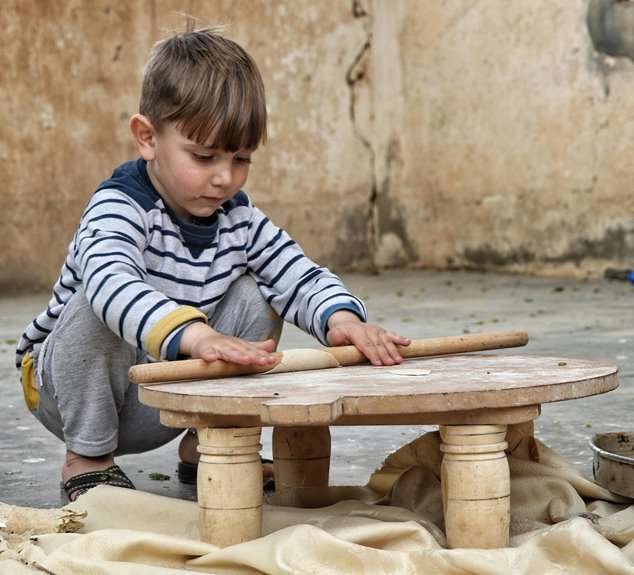
As the importance of childhood development becomes increasingly recognized, understanding the tangible benefits that can be achieved in a mere 30 days is essential for parents and educators alike. From enhancing immune function to improving overall sleep quality, the integration of specific activities can yield significant advantages in a child's daily life. Moreover, these benefits extend beyond physical health, impacting cognitive focus and emotional well-being. Exploring these five critical areas not only fosters a healthier lifestyle but also establishes a foundation for lifelong habits. The question remains: what specific strategies can effectively promote these outcomes?
Enhanced Immune Function
As children engage in regular physical activity, their immune function can markedly improve, leading to a reduced incidence of illness. Engaging in physical activities, such as sports or outdoor play, stimulates the circulation of immune cells within the body. This enhanced circulation allows for quicker responses to pathogens, thereby fortifying the child's defense mechanisms against infections.
Moreover, physical activity has been shown to lower stress levels, which can otherwise compromise immune function. Stress can lead to increased production of cortisol, a hormone that, in elevated levels, may inhibit the effectiveness of the immune response. By incorporating exercise into their routines, children can manage stress more effectively, contributing to a stronger immune system.
Additionally, regular physical activity supports overall health by promoting healthy weight management and improving cardiovascular health. Both factors are essential in maintaining a robust immune system.
A fit child is less likely to experience chronic conditions that can weaken immune responses. Ultimately, prioritizing physical activity not only enhances children's immune function but also fosters a holistic approach to their health and well-being, equipping them to better handle various health challenges throughout their formative years.
Improved Sleep Quality
Engaging in regular physical activity can lead to improved sleep quality for children, greatly enhancing their overall well-being. Numerous studies have shown that children who participate in daily exercise tend to fall asleep more quickly, experience deeper sleep, and wake up less frequently throughout the night. This is particularly important given the increasing prevalence of sleep disturbances among children today.
Physical activity helps to regulate the body's internal clock, also known as the circadian rhythm. By promoting a more consistent sleep-wake cycle, children can experience more restorative sleep, which is essential for growth, development, and cognitive function.
Additionally, exercise can reduce anxiety and stress levels, both of which are known to negatively impact sleep quality.
Encouraging children to engage in outdoor play, sports, or structured physical activities can help them expend energy and promote relaxation. As a result, they are more likely to enjoy a peaceful night's sleep.
Prioritizing regular physical activity not only fosters better sleep but also contributes to a healthier lifestyle overall, setting the foundation for lifelong wellness habits.
Better Posture Development
While many parents may focus on academic performance and social skills, the importance of physical activity in promoting better posture development in children should not be overlooked. Engaging regularly in physical activities, such as sports, dance, or even simple play, encourages children to develop the necessary muscle strength and flexibility that contribute to proper posture.
Good posture is essential for overall health, as it minimizes the risk of developing musculoskeletal issues later in life. When children participate in activities that promote core strength and alignment, they learn to maintain their bodies in a balanced position, reducing strain on their muscles and joints. Activities such as swimming, gymnastics, and martial arts are particularly beneficial, as they emphasize body awareness and control.
Moreover, physical activity helps counteract the negative effects of prolonged sedentary behavior, particularly in an era dominated by screens. By encouraging children to stand tall and engage their core during physical activities, parents can foster habits that lead to healthier posture patterns.
Ultimately, integrating consistent physical activity into a child's routine not only enhances their physical capabilities but also lays the foundation for lifelong health and well-being.
Increased Focus and Concentration
When children participate in regular physical activity, they often experience enhanced focus and concentration, which are essential for academic success and overall cognitive development. Engaging in structured exercise routines helps improve blood flow to the brain, facilitating the delivery of oxygen and nutrients necessary for peak brain function. This physiological response supports enhanced neural connectivity, which is critical for learning and memory.
Furthermore, physical activity has been shown to reduce stress and anxiety levels. By alleviating these emotional barriers, children can better direct their attention to tasks at hand, whether in the classroom or while completing homework. The discipline and routine established through regular physical activity also contribute to improved time management skills, allowing children to allocate their focus more effectively.
In addition, team sports and group activities foster social interaction, which can further enhance cognitive engagement. By working collaboratively towards common goals, children develop a sense of responsibility and accountability, which can translate into improved concentration in academic settings.
Alleviated Growing Pains
Many children experience growing pains during periods of rapid growth, which can lead to discomfort and disrupted sleep. These aches typically occur in the muscles rather than the joints, often manifesting in the legs during the evening or nighttime.
While the exact cause of growing pains remains uncertain, they are generally considered a normal part of childhood development.
Engaging in targeted physical activities and stretching exercises can notably alleviate these growing pains. Regular exercise helps to strengthen muscles and improve flexibility, potentially reducing the frequency and intensity of discomfort.
Additionally, incorporating calming bedtime routines, such as gentle stretching or warm baths, can help ease tension and promote relaxation, leading to better sleep quality.
Moreover, a balanced diet rich in essential nutrients may support healthy growth and development, further mitigating the effects of growing pains.
Ensuring adequate hydration is also essential, as dehydration can exacerbate muscle cramps and discomfort.
Conclusion
Incorporating regular physical activity into children's daily routines yields significant benefits, including enhanced immune function, improved sleep quality, better posture development, increased focus and concentration, and alleviated growing pains. These advantages contribute to overall well-being, fostering healthier lifestyle habits that promote physical, emotional, and cognitive growth. By prioritizing these activities over a 30-day period, a solid foundation for lifelong health and wellness can be established, ultimately supporting children's development in various aspects of their lives.