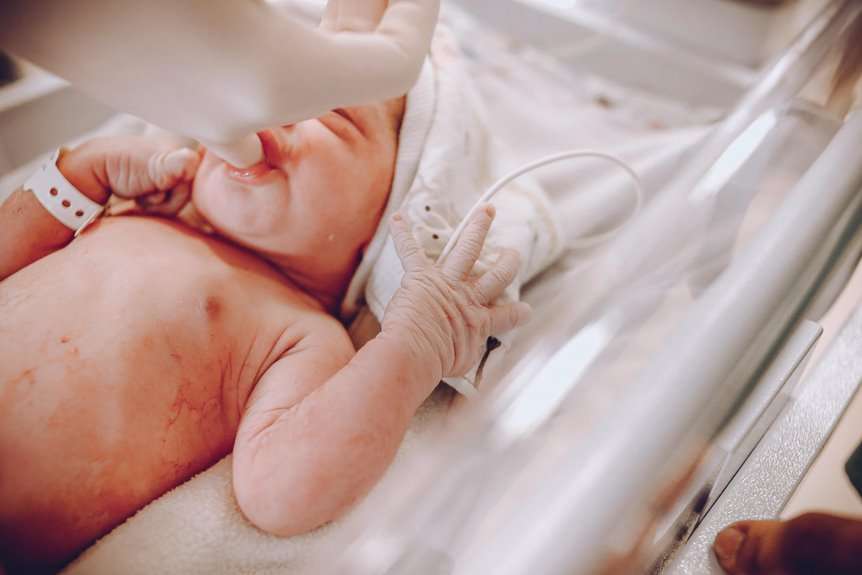
Pediatric chiropractic care is an emerging field that addresses the unique health needs of children through specialized techniques aimed at promoting overall wellness. By focusing on spinal alignment and the body's innate ability to heal, this approach offers a complementary avenue to traditional medical practices. However, the safety, efficacy, and potential misconceptions surrounding these treatments warrant careful consideration. As we explore the multifaceted benefits of pediatric chiropractic care, the implications for improving both physical and mental health in children become increasingly significant. What insights might emerge as we unpack these essential aspects?
Understanding Pediatric Chiropractic Care
Pediatric chiropractic care encompasses a specialized approach to treating children, focusing on their unique developmental needs. This field of chiropractic practice recognizes that children are not simply smaller versions of adults; their bodies, including their musculoskeletal and nervous systems, undergo rapid changes as they grow. Consequently, pediatric chiropractors employ specific techniques tailored to the anatomical and physiological characteristics of children.
The primary goal of pediatric chiropractic care is to promote ideal health and wellness through the correction of misalignments in the spine and other joints. These misalignments can lead to a range of issues, including discomfort, developmental delays, and challenges in physical performance. By employing gentle, non-invasive adjustments, pediatric chiropractors aim to enhance the body's natural healing processes, supporting overall growth and development.
Additionally, pediatric chiropractic care often emphasizes preventive measures, educating parents on maintaining their child's spinal health through proper posture, nutrition, and physical activity. This proactive approach not only addresses existing concerns but also helps to prevent future issues, fostering a foundation for long-term health and well-being in children.
Through a holistic lens, pediatric chiropractic care serves as a valuable resource for families seeking to support their child's development.
Safety of Chiropractic Adjustments
The safety of chiropractic adjustments, particularly in pediatric care, is a primary concern for parents and practitioners alike. Research indicates that chiropractic treatment, when administered by licensed and trained professionals, is generally safe for children.
Pediatric chiropractors utilize specialized techniques that are modified to accommodate the unique anatomical and physiological characteristics of children. These adjustments are typically gentle and involve minimal force, making them suitable for young patients, including infants. The focus of pediatric chiropractic care is not only to address musculoskeletal issues but also to support overall health and well-being.
Moreover, pediatric chiropractors undergo additional training to guarantee they are equipped to handle the specific needs of children. This specialized training includes understanding child development and recognizing when to refer patients to other healthcare providers.
The existing body of literature supports the notion that adverse effects from chiropractic care in children are rare. However, it remains essential for parents to communicate openly with their child's chiropractor and to seek care from qualified practitioners.
Common Misconceptions Addressed
Misunderstandings about chiropractic care for children can hinder parents from seeking appropriate treatment for their little ones. One prevalent misconception is that chiropractic adjustments are only suitable for adults. In reality, pediatric chiropractic care is specifically tailored to address the unique needs of children, taking into account their developing bodies.
Another common belief is that chiropractic treatment is painful for children. However, pediatric chiropractors utilize gentle techniques that are far less forceful than those used on adults, ensuring a comfortable experience for young patients.
Additionally, some parents worry that chiropractic care may interfere with conventional medical treatments. In fact, chiropractic care can complement traditional medicine, promoting a holistic approach to health and wellness.
Another misconception is that chiropractic care is only for musculoskeletal issues. While it is effective for treating spinal misalignments, it can also enhance overall health by supporting the nervous system, which plays a significant role in various bodily functions.
Benefits for Physical Development
Chiropractic care offers numerous benefits for children's physical development, playing an important role in supporting their growth and overall well-being. One of the primary advantages is the promotion of proper spinal alignment, which is critical for ideal nerve function. Misalignments in the spine can interfere with the nervous system, potentially impacting a child's physical capabilities and coordination.
Regular chiropractic adjustments can enhance flexibility and balance, allowing children to engage more freely in physical activities. Additionally, the treatment can alleviate discomfort resulting from postural issues or injuries, enabling them to participate fully in sports and play.
As children grow, their bodies undergo considerable changes; as a result, ensuring proper musculoskeletal health is essential in preventing future complications.
Moreover, chiropractic care can foster improved motor skills and agility, key for developmental milestones such as walking, running, and jumping. By addressing physical imbalances early, parents can help mitigate the risk of chronic issues later in life.
Ultimately, the integration of chiropractic care into pediatric health routines can greatly enhance children's physical development, setting a strong foundation for a healthier future.
Enhancing Immune System Function
A robust immune system is essential for children as it plays a vital role in protecting them against infections and illnesses. Pediatric care greatly contributes to the enhancement of immune system function through various preventive measures and health education.
Regular check-ups allow healthcare providers to monitor a child's growth and development, ensuring that their immune system is functioning at its best. Vaccinations, an integral component of pediatric care, equip children with the necessary antibodies to combat specific pathogens, reducing the risk of preventable diseases.
Additionally, pediatricians often emphasize the importance of a balanced diet rich in essential vitamins and minerals, such as vitamin C and zinc, which are known to bolster immune function.
In addition to nutrition, pediatric care promotes healthy lifestyle choices, including regular physical activity and adequate sleep, both of which are essential for a strong immune response. By fostering an environment that encourages hygiene practices, such as handwashing and proper sanitation, pediatric care also helps mitigate the exposure to infectious agents.
Ultimately, enhancing immune system function through thorough pediatric care lays the foundation for long-term health and well-being, equipping children to thrive in their formative years.
Alleviating Common Childhood Ailments
Effective management of common childhood ailments is essential for guaranteeing a child's overall health and well-being. Pediatric care plays an important role in addressing prevalent issues such as respiratory infections, allergies, gastrointestinal disturbances, and skin conditions. By providing timely diagnosis and treatment, healthcare professionals can alleviate discomfort, reduce the risk of complications, and promote faster recovery.
A thorough evaluation by a pediatrician guarantees that appropriate interventions are implemented, whether through medication, lifestyle modifications, or referrals to specialists. For instance, managing asthma through monitoring and medication can greatly improve a child's quality of life and prevent acute exacerbations.
Similarly, addressing allergies with proper guidance and treatment can minimize triggers and enhance daily functioning.
Regular pediatric visits also facilitate early detection of potential health issues, allowing for prompt action to prevent escalation. Parental education on recognizing symptoms and when to seek medical help is essential, empowering caregivers to make informed decisions regarding their child's health.
Ultimately, effective management of common childhood ailments not only alleviates immediate discomfort but also fosters long-term health outcomes, setting the foundation for a healthier future.
Supporting Mental and Emotional Health
Mental and emotional health plays an essential role in a child's overall development and well-being. Pediatric care encompasses not just physical health, but also the mental and emotional aspects important for a child's growth. Regular pediatric visits provide opportunities for healthcare professionals to assess a child's emotional state, identify potential issues, and foster resilience through supportive interventions.
One of the primary benefits of pediatric care is the ability to recognize early signs of mental health challenges, such as anxiety, depression, or behavioral disorders. Early intervention can greatly improve outcomes, ensuring children receive the necessary resources and support.
In addition, pediatricians can offer guidance to parents on creating nurturing environments that promote emotional stability, self-esteem, and healthy coping mechanisms.
Additionally, pediatric care can facilitate connections to mental health specialists when needed, ensuring thorough support for a child's emotional needs. By incorporating mental and emotional health assessments into routine check-ups, pediatricians play an essential role in holistic child development.
This multifaceted approach fosters not only healthier children but also lays the foundation for lifelong well-being, equipping them with the tools necessary to navigate life's challenges effectively.
Choosing a Qualified Pediatric Chiropractor
Selecting a qualified pediatric chiropractor is vital for ensuring that children receive safe and effective care tailored to their unique developmental needs. Parents should begin by verifying the chiropractor's credentials, ensuring they are licensed and possess specialized training in pediatric care. This includes a thorough understanding of child anatomy, growth patterns, and common pediatric conditions.
Additionally, it is important to assess the chiropractor's experience with children, as this influences their ability to communicate effectively and create a comfortable environment. Seeking recommendations from pediatricians or other parents can provide valuable insights into the chiropractor's reputation and approach to care.
When meeting with a potential pediatric chiropractor, parents should inquire about their treatment techniques, emphasizing those that are gentle and age-appropriate. A qualified practitioner should prioritize open communication, encouraging questions and discussing treatment plans in a clear, understandable manner.
Finally, observing the clinic's atmosphere and staff interactions can offer further assurance of a child-friendly environment. By carefully considering these factors, parents can confidently choose a pediatric chiropractor who will support their child's health and well-being effectively.
Conclusion
To sum up, pediatric chiropractic care offers a thorough approach to enhancing the well-being of children. Through spinal alignment and holistic health practices, this form of care supports physical development, boosts immune function, alleviates common ailments, and promotes mental and emotional health. By addressing these critical areas, pediatric chiropractic care serves as a valuable complement to conventional medical treatments, fostering a foundation for long-term health and resilience in children as they navigate various life challenges.