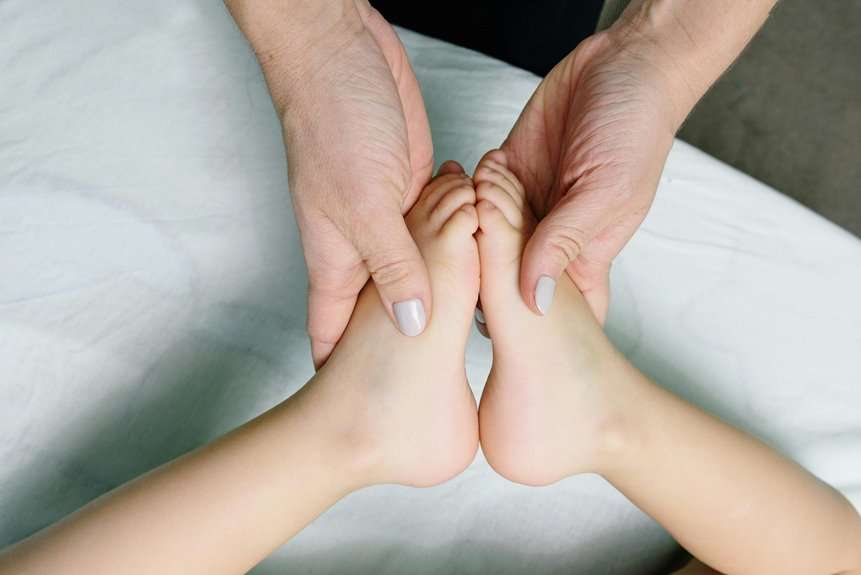
Pediatric care plays a significant role in the overall health and development of children, offering a wide array of benefits that extend far beyond mere medical treatment. Regular check-ups not only facilitate enhanced growth monitoring but also promote improved immune function through vaccinations and health education. Additionally, these visits can address sleep quality and behavioral issues, ensuring a holistic approach to wellness. As we explore the multifaceted advantages of pediatric care, it becomes evident that these early interventions can have lasting implications for a child's future health and well-being. What other benefits might emerge from a proactive pediatric approach?
Enhanced Growth and Development
Enhanced growth and development in children is a critical aspect of pediatric care that encompasses physical, cognitive, and emotional milestones. Pediatric care focuses on monitoring and supporting children's growth trajectories through regular evaluations and interventions, ensuring that they meet developmental benchmarks appropriate for their age.
Physical growth includes monitoring height, weight, and motor skills, which are essential indicators of a child's overall health. Pediatricians utilize growth charts to compare a child's progress against standard percentiles, allowing for early identification of potential issues.
Cognitive development, meanwhile, involves evaluating language acquisition, problem-solving abilities, and social skills, which are crucial for academic success and interpersonal relationships.
Emotional milestones are equally significant, as they help children navigate their feelings and develop resilience. Pediatric care involves providing guidance to parents on fostering healthy emotional environments and addressing behavioral concerns.
Improved Immune Function
A robust immune function is essential for children to effectively combat infections and diseases, particularly during their formative years. Pediatric care plays a critical role in enhancing this immune response through routine health assessments, vaccinations, and health education.
Regular check-ups allow healthcare providers to monitor the child's growth and development while identifying potential health issues that could compromise immune function.
Vaccinations, administered during pediatric visits, provide essential protection against various infectious diseases. These immunizations stimulate the immune system, enabling it to recognize and fight off pathogens more efficiently. By adhering to the recommended vaccination schedule, parents can greatly reduce their children's risk of contracting preventable illnesses.
Furthermore, pediatric care professionals educate families on nutrition and lifestyle practices that bolster immune health. A balanced diet rich in vitamins and minerals, combined with regular physical activity, can enhance a child's overall well-being and immune system efficacy.
Better Sleep Quality
Quality sleep is fundamental to a child's growth, development, and overall well-being. Pediatric care plays an essential role in promoting better sleep quality by addressing various factors that can affect a child's ability to rest adequately.
Regular pediatric visits can help identify and manage sleep disorders such as insomnia, sleep apnea, and restless leg syndrome, which, if left untreated, can hinder a child's cognitive and physical development.
Additionally, pediatricians provide guidance on establishing healthy sleep routines, including appropriate sleep schedules, bedtime rituals, and sleep environment optimization. They can also educate parents about the impacts of screen time, nutrition, and physical activity on their child's sleep patterns, encouraging habits that foster restful nights.
Furthermore, pediatric care encompasses mental health support, recognizing that anxiety and stress can considerably disrupt sleep. By offering strategies to manage these issues, healthcare providers contribute to enhanced sleep quality.
Ultimately, improved sleep quality not only promotes better concentration and mood during the day but also strengthens the immune system and overall health, underscoring the essential role of pediatric care in ensuring a child's well-rounded development.
Alleviation of Pain
Managing pain in pediatric patients is a critical aspect of thorough pediatric care, as children may struggle to articulate their discomfort or may not fully understand its implications. Effective pain management is essential not only for the immediate well-being of the child but also for their long-term health outcomes.
Pediatric healthcare providers utilize various strategies tailored to the unique needs of children, ensuring that pain is assessed accurately and treated promptly. Pharmacological interventions, such as appropriate dosages of analgesics, are often employed alongside non-pharmacological approaches, including distraction techniques and psychological support.
The use of age-appropriate language and tools during assessments helps clinicians gauge the severity of pain accurately. Additionally, educating parents about pain management options empowers them to participate actively in their child's care.
Moreover, addressing pain effectively can considerably enhance a child's overall experience in medical settings, reducing anxiety associated with procedures and treatments. By prioritizing pain alleviation, pediatric care not only fosters a more positive healthcare experience but also promotes recovery and improves quality of life for young patients.
Ultimately, recognizing and managing pain is a foundational element of extensive pediatric care.
Increased Mobility and Flexibility
Incorporating strategies to enhance mobility and flexibility is essential for pediatric patients, particularly after addressing pain management. Improved mobility and flexibility are critical for children's overall physical development and daily functioning.
Through specialized pediatric care, healthcare providers can design individualized programs that focus on enhancing these aspects, enabling children to engage more freely in various activities, from play to sports.
Therapeutic exercises tailored to the child's age and condition can greatly contribute to increased range of motion and strength. Activities such as stretching, balance training, and age-appropriate physical exercises not only promote flexibility but also help prevent injuries.
Pediatric care professionals often utilize play-based interventions, making the process enjoyable and motivating for children, which can lead to better adherence and outcomes.
Furthermore, enhanced mobility fosters independence, allowing children to navigate their environments confidently. As they gain strength and flexibility, they are more likely to participate in social and physical activities, leading to improved self-esteem and a healthier lifestyle.
To summarize, focusing on increasing mobility and flexibility within pediatric care is essential for facilitating healthy growth and development in children, ultimately contributing to their long-term well-being.
Support for Behavioral Issues
Children's behavioral issues can greatly impact their overall well-being and development, making it essential for pediatric care providers to offer extensive support. Pediatric care serves as a critical resource for identifying and addressing behavioral challenges such as anxiety, ADHD, and autism spectrum disorders. By providing early intervention, pediatricians can help to mitigate the long-term effects of these issues, supporting not only the child but also their family.
A thorough approach in pediatric care includes regular assessments and tailored intervention strategies. Pediatricians often collaborate with mental health professionals, educators, and families to create an environment conducive to positive behavioral changes. They may recommend behavioral therapy, counseling, or educational support tailored to the child's unique needs.
Furthermore, pediatric care providers equip parents with tools and strategies to manage behavioral concerns at home. This may include guidance on effective communication, discipline techniques, and stress management for both the child and parent.
Prevention of Future Health Problems
Addressing behavioral issues in childhood lays a foundation for preventing future health problems. Pediatric care plays an essential role in identifying and managing these issues early, allowing for timely interventions.
Behavioral concerns such as anxiety, depression, and attention disorders can greatly impact not only a child's emotional well-being but also their physical health. Left unaddressed, these issues may lead to long-term consequences, including obesity, substance abuse, and chronic diseases.
Regular pediatric visits provide an opportunity for healthcare professionals to monitor a child's development, recognize signs of behavioral issues, and implement appropriate treatment plans. This proactive approach can include counseling, therapy, or referrals to specialists, effectively reducing the risk of children developing more severe health problems later in life.
Moreover, pediatricians often work closely with families to create a supportive environment that fosters healthy emotional and behavioral development. By encouraging open communication and promoting mental wellness, pediatric care helps to build resilience in children, equipping them with coping strategies for future challenges.
Essentially, early intervention and consistent pediatric support can greatly mitigate the potential for future health issues, ultimately leading to healthier, more balanced lives for children.
Education on Healthy Habits
Educating children about healthy habits is essential for establishing a foundation for lifelong wellness. Pediatric care plays a crucial role in imparting knowledge regarding nutrition, physical activity, and hygiene, empowering children to make informed choices.
Regular check-ups provide an opportunity to discuss dietary guidelines, emphasizing the importance of fruits, vegetables, and whole grains while minimizing processed foods high in sugars and unhealthy fats.
Moreover, pediatricians can encourage regular physical activity, recommending at least an hour of exercise daily. This not only fosters physical health but also promotes mental well-being, reducing anxiety and enhancing mood. By incorporating fun, age-appropriate activities, children are more likely to develop a positive attitude toward fitness.
Hygiene education is equally critical; caregivers can instill practices such as proper handwashing and dental care routines. These habits greatly reduce the risk of infections and promote overall health.
Incorporating these educational components into pediatric care equips children with the necessary tools to lead healthier lives. As they grow, the skills and knowledge acquired during these formative years will serve them well, ultimately shaping their future health outcomes and lifestyle choices.
Conclusion
In conclusion, pediatric care plays an essential role in promoting children's overall health and development. Through regular check-ups, early detection of health issues, and thorough education on hygiene and healthy habits, pediatric services contribute to enhanced growth, improved immune function, and better mental well-being. The multifaceted approach of pediatric care not only alleviates immediate health concerns but also fosters long-term resilience and empowers children to adopt practices that guarantee their wellness into adulthood.