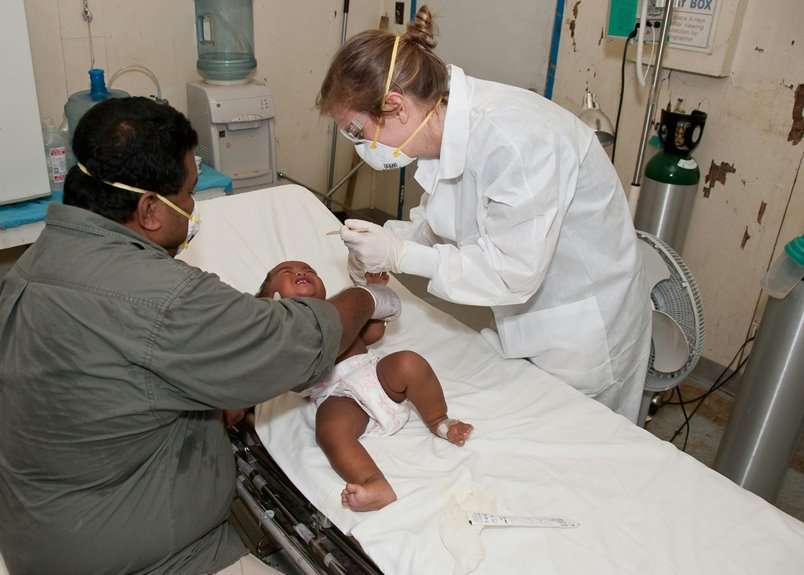
Pediatric care plays an essential role in the overall health and development of toddlers, offering a range of benefits that extend beyond routine check-ups. By focusing on aspects such as immune function, sleep quality, and physical development, pediatricians provide vital support that can markedly influence a child's early years. Furthermore, addressing common health issues and behavioral challenges can lay the groundwork for a lifetime of well-being. An exploration of these advantages reveals how proactive pediatric care not only fosters immediate health benefits but also cultivates a foundation for future growth. What implications might this have for parents and caregivers?
Enhanced Immune Function
Many parents may wonder how to bolster their toddlers' immune systems during these formative years. A robust immune system is essential for young children as it helps them fend off infections and diseases.
Nutrition plays a pivotal role in enhancing immune function. A well-balanced diet rich in fruits, vegetables, whole grains, lean proteins, and healthy fats provides the essential vitamins and minerals necessary for ideal immune health. Key nutrients such as vitamin C, vitamin D, and zinc are particularly important, as they support immune cell function and help mitigate inflammation.
In addition to proper nutrition, regular physical activity is critical. Engaging toddlers in age-appropriate exercise can promote circulation and overall health, additionally strengthening their immune systems.
Moreover, maintaining proper hydration is necessary, as fluids help the body eliminate toxins and support cellular function.
Routine pediatric check-ups also contribute to enhanced immune function. These visits allow healthcare professionals to monitor growth and development, administer vaccinations, and provide guidance on preventive care.
Ultimately, a combination of balanced nutrition, physical activity, and regular medical oversight can greatly bolster a toddler's immune system, laying a strong foundation for lifelong health.
Improved Sleep Quality
Quality sleep is a cornerstone of healthy development in toddlers, influencing their physical, cognitive, and emotional growth. Pediatric care plays a significant role in promoting improved sleep quality through tailored guidance for parents and caregivers. Regular check-ups allow healthcare professionals to assess sleep patterns and address any concerns that may arise.
During these consultations, pediatricians can provide education on the importance of establishing a consistent bedtime routine, creating a conducive sleep environment, and recognizing signs of sleep disorders. A well-structured nighttime routine not only helps toddlers adapt to sleep more easily but also fosters a sense of security, which is essential for emotional well-being.
Moreover, pediatric care can identify underlying issues contributing to sleep disturbances, such as allergies or behavioral challenges, and offer appropriate interventions. By addressing these factors early, professionals can mitigate long-term consequences on a child's development.
Ultimately, improved sleep quality enhances a toddler's ability to learn, socialize, and cope with everyday challenges. Ensuring adequate sleep through pediatric care not only supports immediate health but also lays a solid foundation for lifelong wellness and resilience.
Prioritizing sleep is, consequently, an essential aspect of pediatric health that should not be overlooked.
Alleviation of Digestive Issues
Healthy sleep and proper digestion are interconnected aspects of toddler development that can greatly impact overall well-being. Pediatric care plays a significant role in identifying and alleviating common digestive issues that toddlers may experience, such as constipation, reflux, and food intolerances.
These conditions can lead to discomfort, irritability, and disrupted sleep patterns, affecting a child's overall health and happiness. Regular check-ups with a pediatrician allow for early detection of digestive problems, enabling timely intervention.
Healthcare professionals can provide guidance on nutrition, recommending age-appropriate foods that support ideal digestion. For instance, increasing fiber intake can relieve constipation, while identifying and eliminating allergens can help manage reflux and intolerances.
In addition to dietary recommendations, pediatric care may involve monitoring hydration levels, as proper fluid intake is essential for digestive health. Parents can also receive education on recognizing signs of digestive distress, ensuring they can seek help when necessary.
Support for Physical Development
Support for physical development during the toddler years is essential as children learn to navigate their growing bodies and explore their environment. Pediatric care plays an important role in monitoring and promoting healthy physical growth through regular assessments and screenings. These evaluations help identify any developmental delays or concerns early on, allowing for timely interventions that can greatly enhance a child's physical capabilities.
In addition to monitoring growth patterns, pediatric care provides guidance on age-appropriate activities that encourage motor skill development. Engaging in activities such as climbing, running, and playing with various toys fosters coordination, balance, and strength.
Pediatricians also offer recommendations on nutrition, which is critical for fueling energy and supporting overall physical health.
Furthermore, pediatric care emphasizes the importance of safe play environments. Ensuring that toddlers have access to safe spaces for exploration minimizes the risk of injury while promoting active play.
By fostering an environment conducive to movement and exploration, pediatric care contributes to the holistic physical development of toddlers, setting a strong foundation for future growth and health.
Regular pediatric visits are essential in supporting these developmental milestones and ensuring children thrive as they grow.
Relief From Allergies
As toddlers begin to explore their surroundings, they may encounter various allergens that can lead to uncomfortable symptoms such as sneezing, itching, and congestion. Pediatric care plays an essential role in identifying and managing these allergies effectively. Through thorough assessments, pediatricians can determine the specific allergens affecting a child, whether they are environmental factors such as pollen, dust mites, or pet dander.
Once identified, a tailored treatment plan can be initiated, which may include avoidance strategies, antihistamines, or other medications to alleviate symptoms. Pediatricians are also equipped to educate parents on recognizing allergy symptoms and implementing preventive measures at home, such as maintaining clean living spaces and establishing allergy-friendly environments.
Furthermore, ongoing pediatric care allows for regular monitoring of a toddler's allergic reactions and overall health. This proactive approach not only alleviates immediate discomfort but also helps in preventing potential complications related to untreated allergies, such as recurrent infections or asthma development.
Ultimately, by addressing allergies early in a child's life, pediatric care fosters better health outcomes and enhances the quality of life for toddlers as they continue their exploration of the world around them.
Correction of Posture Problems
Posture problems in toddlers can arise as they engage more actively with their environment, often leading to habits that may contribute to musculoskeletal issues later in life. During these formative years, children's bodies are rapidly developing, making them particularly susceptible to poor posture from activities such as slouching while sitting, carrying heavy backpacks, or leaning awkwardly during play.
Pediatric care plays an essential role in identifying and correcting these issues early on. Healthcare professionals can assess a child's posture and provide tailored recommendations that promote proper alignment. These may include exercises designed to strengthen core muscles, improve balance, and enhance flexibility.
Additionally, guidance on ergonomic practices for sitting, standing, and playing can greatly mitigate the risk of developing long-term postural problems. Regular check-ups with a pediatrician or a pediatric physical therapist can guarantee that any emerging posture concerns are addressed promptly.
Reduction of Stress and Anxiety
Managing stress and anxiety in toddlers is fundamental for their emotional and physical development. Pediatric care plays an important role in identifying and addressing these issues early on. A supportive healthcare environment can help alleviate common stressors that young children face, such as separation anxiety, social interactions, and changes in routine.
Regular visits to a pediatrician provide a safe space for children to express their feelings and concerns. Pediatricians are trained to recognize signs of stress and anxiety, offering parents guidance on effective coping strategies. This proactive approach can include behavioral techniques, age-appropriate communication, and reassurance, which are essential for helping toddlers navigate their emotions.
Moreover, pediatric care guarantees that children receive appropriate vaccinations, which can prevent illnesses that may contribute to stress. By providing thorough assessments and support, pediatricians help parents understand their child's emotional needs, fostering a nurturing environment at home.
Ultimately, reducing stress and anxiety in toddlers not only enhances their overall well-being but also lays the foundation for healthy emotional regulation as they grow. Early intervention through pediatric care is key to promoting resilience and emotional intelligence in young children.
Promotion of Healthy Movement
Regularly promoting healthy movement in toddlers is important for their physical development and overall well-being. Engaging in physical activities helps enhance motor skills, coordination, and strength, laying a foundation for a lifetime of healthy habits. Pediatric care providers play an essential role in guiding parents on age-appropriate activities that stimulate movement, such as walking, running, jumping, and dancing.
Incorporating structured playtime and unstructured outdoor activities can greatly benefit toddlers. These activities not only promote physical fitness but also support cognitive and social development by encouraging interaction with peers. Additionally, active engagement in movement helps combat childhood obesity, a growing concern in today's sedentary lifestyle.
Routine check-ups with pediatricians allow for the assessment of a child's physical activity levels and provide an opportunity for health professionals to address any concerns regarding movement and exercise.
Management of Ear Infections
Ear infections are a common health issue in toddlers, often resulting in discomfort and potential complications if not properly addressed. Pediatric care plays an essential role in the effective management of these infections, ensuring timely diagnosis and intervention.
When a toddler presents with symptoms such as ear pain, irritability, or difficulty sleeping, a pediatrician will conduct a thorough examination, often using an otoscope to assess the ear canal and eardrum. Depending on the severity of the infection, treatment options may include observation, especially in cases where symptoms are mild and the child is otherwise healthy.
In more severe cases, antibiotics may be prescribed to eliminate the infection.
In addition to immediate treatment, pediatric care emphasizes preventive measures. Encouraging proper hand hygiene and avoiding exposure to secondhand smoke can greatly reduce the risk of ear infections.
Moreover, routine vaccinations, such as the pneumococcal and influenza vaccines, contribute to minimizing the incidence of respiratory infections that can lead to ear complications.
Assistance With Behavioral Challenges
Pediatric care extends beyond physical health concerns, encompassing the support needed for behavioral challenges that may arise in toddlers. Pediatricians play an essential role in identifying and addressing issues such as anxiety, aggression, and developmental delays. Early intervention is imperative, as behavioral problems can considerably impact a child's emotional and social development if left unaddressed.
Pediatricians are equipped to provide tailored strategies for managing behavioral challenges. They assess the child's individual circumstances, considering factors such as family dynamics, environment, and developmental milestones. Through thorough evaluations, pediatricians can recommend effective interventions, including behavioral therapy, parental guidance, and, when necessary, referrals to specialists.
Moreover, pediatric care fosters open communication between healthcare providers and families, ensuring that parents feel supported in their parenting journey. Educating parents about typical toddler behaviors and effective discipline techniques can empower them to create a positive and structured environment for their children.
Conclusion
In conclusion, pediatric care plays an essential role in promoting the overall health and development of toddlers. Through enhanced immune function, improved sleep quality, and effective management of common health issues, pediatricians provide invaluable support for young children. Additionally, addressing behavioral challenges and promoting healthy movement contribute to a well-rounded foundation for lifelong well-being. The thorough approach of pediatric care guarantees that toddlers receive the necessary guidance and resources to thrive during these formative years.