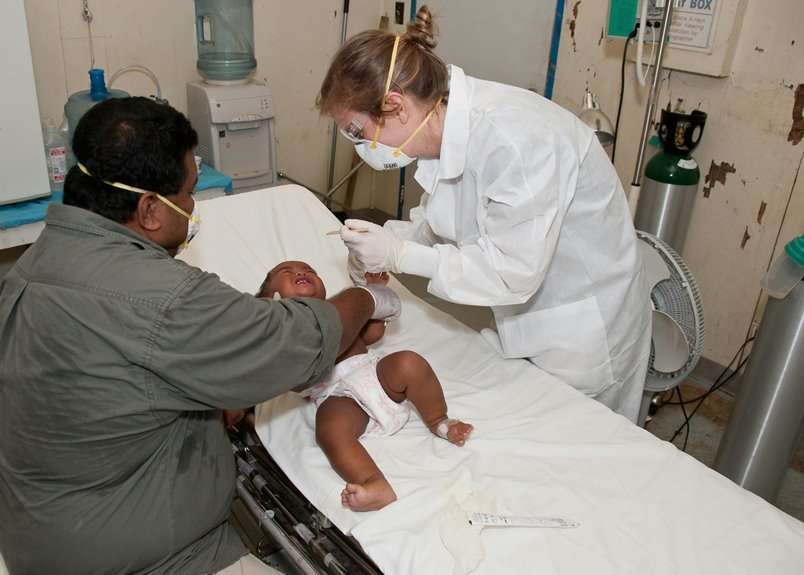
The role of trustworthy pediatric care for toddlers is critical in laying a solid foundation for their health and development. Regular pediatric visits not only facilitate early detection of health concerns but also equip parents with essential knowledge regarding nutrition, sleep, and safety practices. Such proactive engagement fosters an environment conducive to enhanced immune function, improved sleep quality, and even neurodevelopmental support. However, the implications of these benefits extend far beyond immediate health outcomes, raising questions about long-term impacts on a child's overall development and well-being. What other advantages might emerge from consistent pediatric care?
Enhanced Immune Function
In the domain of pediatric care, enhancing immune function in toddlers is a fundamental priority. A robust immune system is essential for toddlers as they are particularly vulnerable to infections and illnesses due to their developing physiological systems. Pediatric care strategies aim to bolster immune health through a multifaceted approach, including nutrition, vaccinations, and preventive healthcare measures.
Nutrition plays a significant role in immune function. A well-balanced diet rich in vitamins, minerals, and antioxidants is necessary for supporting the immune system. Key nutrients, such as vitamins A, C, and D, along with zinc, are important for the development and function of immune cells.
Healthcare providers often emphasize the importance of incorporating fruits, vegetables, whole grains, and healthy fats into a toddler's diet to promote ideal immune health.
Vaccinations represent another essential aspect of enhancing immune function. Adhering to the recommended immunization schedule helps protect toddlers from vaccine-preventable diseases, thereby reducing the risk of severe illness and long-term complications.
Additionally, pediatric care involves educating parents about hygiene practices and environmental factors that support immune resilience. Collectively, these strategies create a thorough framework for fostering enhanced immune function in toddlers, ensuring their overall health and well-being.
Improved Sleep Quality
Achieving improved sleep quality is crucial for toddlers, as adequate rest directly influences their physical growth, cognitive development, and emotional regulation. Pediatric care plays a significant role in establishing healthy sleep patterns and addressing any sleep-related issues that may arise during this critical stage of development.
Regular pediatric check-ups allow healthcare professionals to assess a toddler's sleep habits and provide tailored recommendations. These may include establishing a consistent bedtime routine, creating a sleep-conducive environment, and addressing any underlying medical conditions such as sleep apnea or allergies that could disrupt sleep.
Moreover, pediatric care providers can offer guidance on the appropriate amount of sleep needed for toddlers, typically ranging from 11 to 14 hours per day, including naps. This knowledge empowers parents to prioritize sleep as a crucial component of their child's well-being.
Furthermore, pediatricians can educate parents about the importance of limiting screen time before bed and promoting calming activities to facilitate a smoother shift to sleep.
Alleviated Growing Pains
Growing pains, often experienced by toddlers during periods of rapid development, can lead to discomfort and disrupted sleep. These pains typically manifest as intermittent aches in the legs, particularly during nighttime, which may cause distress for both the child and the parents.
Pediatric care plays a crucial role in alleviating these growing pains, providing a holistic approach to managing this common childhood issue. Regular pediatric check-ups allow healthcare providers to monitor growth patterns and assess any underlying factors contributing to discomfort.
Through these consultations, parents can receive valuable guidance on pain management techniques, including gentle stretching exercises and appropriate over-the-counter pain relief options.
Additionally, pediatricians can recommend strategies that promote relaxation and comfort, such as warm baths or massage, which can greatly ease the discomfort associated with growing pains.
Better Posture Development
Many parents may not realize the importance of fostering better posture development in toddlers, as it plays a critical role in their overall health and physical well-being. Proper posture not only supports the musculoskeletal system but also enhances balance and coordination, which are essential for the child's developmental milestones.
During early childhood, a toddler's body is rapidly growing and adapting to new movements. Engaging in activities that encourage good posture, such as climbing, running, and playing, can greatly contribute to their physical development.
Pediatric care can provide guidance on exercises and activities tailored to improve core strength and spinal alignment, which are foundational for maintaining good posture.
Moreover, regular check-ups with pediatric professionals can help identify any postural issues early on, allowing for timely intervention. This proactive approach can prevent long-term complications, such as musculoskeletal pain or difficulties in physical activities as the child grows.
Relief From Digestive Issues
Digestive issues in toddlers can greatly impact their overall health and development, making it vital for parents to recognize and address these concerns promptly. Common problems such as constipation, diarrhea, and food intolerances can lead to discomfort, impacting a child's appetite and energy levels.
Pediatric care plays a significant role in diagnosing and managing these digestive issues effectively. A pediatrician can provide tailored dietary recommendations, guaranteeing that toddlers receive adequate nutrition while minimizing digestive discomfort. Introducing fiber-rich foods, hydrating fluids, and probiotics may be suggested to promote healthy digestion.
Additionally, a pediatrician can identify potential food allergies or intolerances, guiding parents on how to eliminate problematic foods while assuring balanced nutrition. Regular check-ups also allow healthcare providers to monitor growth and development, enabling early detection of any underlying issues related to digestion.
This proactive approach helps alleviate concerns and prevent long-term complications. Ultimately, addressing digestive issues through pediatric care not only relieves immediate discomfort but also supports a toddler's overall well-being, fostering a healthier foundation for future growth and development.
Parents should prioritize routine pediatric visits to guarantee their child's digestive health is adequately managed.
Support for Neurodevelopment
Neurodevelopment during the toddler years is a fundamental aspect of overall child health, as it lays the foundation for cognitive, emotional, and social skills. Pediatric care plays an indispensable role in supporting this neurodevelopment through regular assessments, early interventions, and parental guidance.
Healthcare professionals monitor developmental milestones, guaranteeing that toddlers are progressing appropriately in areas such as language acquisition, motor skills, and social interactions. Early detection of delays or abnormalities allows for timely interventions, which can greatly improve outcomes. For instance, speech therapy can be initiated if language delays are identified, while occupational therapy can address motor skill challenges.
Additionally, pediatric care providers offer valuable resources to parents, including strategies to promote a stimulating environment that encourages exploration and learning. Activities such as reading, interactive play, and social engagement with peers are essential in enhancing neurodevelopment during this fundamental period.
Moreover, pediatricians can assess the impact of nutrition on brain development, advising parents on a balanced diet that supports cognitive function.
Injury Prevention and Recovery
In the domain of pediatric care, injury prevention and recovery are fundamental components that guarantee the safety and well-being of toddlers as they explore their environment.
Toddlers are inherently curious, often leading to unintentional injuries that can have lasting effects. Pediatric care providers play an essential role in educating parents and caregivers about effective strategies for minimizing risks.
Implementing safety measures such as childproofing homes, supervising playtime, and using age-appropriate safety equipment—such as car seats and helmets—are necessary steps in preventing injuries.
Regular wellness check-ups also enable healthcare professionals to assess a child's development and provide tailored advice on safe practices.
In the event of an injury, timely and appropriate medical intervention is imperative for recovery.
Pediatricians are equipped to evaluate injuries, recommend treatment plans, and monitor healing processes. They also guide parents on pain management and rehabilitation strategies, facilitating a smoother recovery for the child.
Conclusion
In summary, trustworthy pediatric care for toddlers plays an essential role in fostering overall health and development. Regular check-ups facilitate the early detection of health issues, while expert guidance on nutrition, sleep, and safety promotes lifelong healthy habits. Establishing a strong relationship with healthcare providers empowers parents to make informed decisions, ultimately enhancing immune resilience, physical growth, and emotional well-being. Prioritizing pediatric care lays a solid foundation for a child's future health and development.