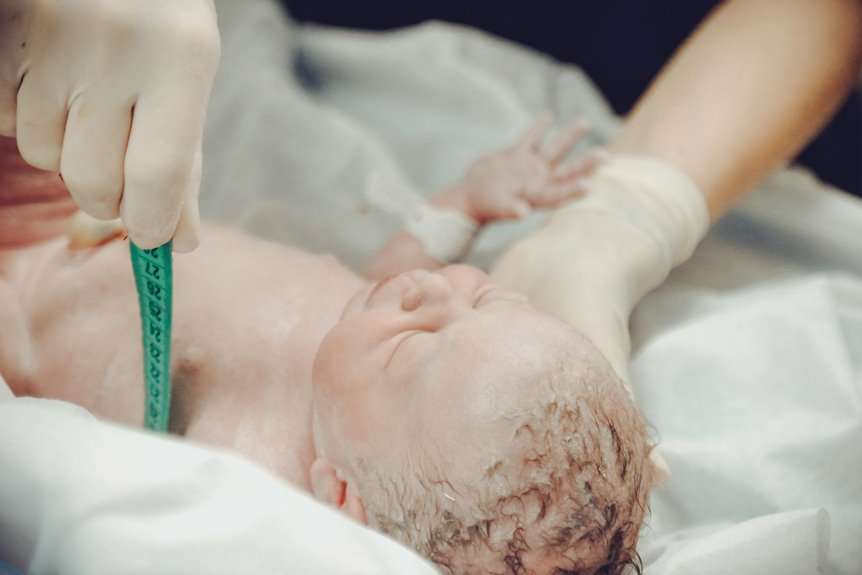
The practice of pediatric adjustments requires a nuanced understanding of age-specific methodologies designed to address the unique developmental needs of children. Emphasizing safety and efficacy, practitioners must be well-versed in gentle techniques and thorough assessments of each child's health history. Engaging with parents through transparent communication is essential, yet the complexities of monitoring a child's response to treatment often remain underexplored. As we consider the intricacies involved, it becomes vital to examine the essential guidelines that govern this specialized field. What are the implications of these practices on long-term health outcomes?
Understanding Pediatric Chiropractic
Pediatric chiropractic is a specialized field focused on the assessment and treatment of musculoskeletal and neurological conditions in children. This area of healthcare recognizes that children's bodies are not merely smaller versions of adults; they possess unique anatomical and physiological characteristics that require tailored approaches.
Pediatric chiropractors undergo extensive training to understand these distinctions and to provide care that is safe and effective for young patients.
The primary aim of pediatric chiropractic is to enhance the overall health and well-being of children by addressing spinal misalignments and other musculoskeletal issues. These misalignments, often referred to as subluxations, can interfere with the nervous system, potentially impacting various bodily functions.
Children may experience conditions such as colic, ear infections, and headaches, which can be alleviated through specific chiropractic adjustments.
Pediatric chiropractic care involves gentle techniques that are age-appropriate and consider the child's developmental stage. It emphasizes a holistic approach, combining chiropractic adjustments with lifestyle advice, nutrition, and exercise recommendations.
Importance of Safety Protocols
The implementation of safety protocols in chiropractic care for children is paramount to ensuring their well-being during treatment. Pediatric patients are not merely small adults; they have unique anatomical and physiological differences that necessitate tailored approaches. Safety protocols should encompass a thorough assessment of each child's medical history, current health status, and specific needs.
In addition, practitioners must be trained in age-appropriate techniques and adjustments that minimize risk. The environment should be child-friendly, reducing potential hazards that could lead to injury. Proper equipment, such as specially designed tables and supportive aids, should be utilized to enhance safety.
Furthermore, communication is vital. Practitioners must engage parents or guardians in the treatment process, ensuring they understand the methods being employed and the rationale behind them. This transparency fosters trust and allows for better monitoring of the child's response to treatment.
Lastly, ongoing evaluation of treatment effectiveness and safety protocols is essential. Regular training and updates on best practices in pediatric care will help maintain high safety standards.
Techniques for Infants
Chiropractic techniques for infants require a gentle and highly specialized approach that acknowledges their delicate anatomy and developing physiology. Practitioners must employ specific methods tailored to the unique needs of infants, guaranteeing safety and effectiveness throughout the adjustment process.
One commonly used technique is the "light touch" adjustment, which involves minimal pressure applied to the spine and extremities. This method is particularly beneficial for addressing common conditions such as colic, reflux, and torticollis.
Practitioners may also utilize cranial sacral therapy, focusing on the cranial bones and their alignment to promote peak brain function and overall health.
In addition, specific mobilization techniques can be employed to encourage proper joint movement without the high-velocity thrusts used in adult adjustments. The use of gentle, rhythmic motion helps infants relax and adapt to the adjustment, creating a soothing experience.
It is imperative that practitioners maintain open communication with parents to guarantee comfort and understanding of the techniques being utilized.
Building trust and a supportive environment is essential for the well-being of both the infant and the family throughout the chiropractic care process.
Assessing Child's Health History
Understanding a child's health history is a vital component of providing effective chiropractic care. A thorough evaluation begins with collecting detailed information regarding the child's prenatal, perinatal, and postnatal periods. This includes any complications during pregnancy or delivery, as well as significant developmental milestones.
Additionally, it is essential to inquire about the child's medical history, including previous illnesses, surgeries, or hospitalizations. Attention should be given to any chronic conditions such as asthma, allergies, or neurological disorders that may impact treatment protocols.
Family health history is also relevant, as genetic predispositions can influence a child's health status and response to chiropractic adjustments.
Furthermore, understanding lifestyle factors such as diet, physical activity, and sleep patterns can provide insights into the child's overall well-being. Evaluating any current symptoms, including pain, discomfort, or functional limitations, helps in tailoring a specific treatment plan.
Communicating With Parents
Effective communication with parents is vital in the pediatric chiropractic setting, as it establishes a collaborative environment for the child's care. Building a trusting relationship begins with active listening; practitioners should encourage parents to express their concerns and questions. This approach not only fosters a sense of partnership but also allows for a thorough understanding of the child's health needs.
Clear, jargon-free explanations of the chiropractic process and its benefits are essential. Parents should be informed about the rationale behind each adjustment, including any expected outcomes. Providing educational materials can further enhance understanding and empower parents to make informed decisions regarding their child's care.
Moreover, maintaining open lines of communication is important. Practitioners should be available to answer questions or address concerns between visits, which can alleviate anxiety and reinforce trust.
Regular updates on the child's progress, as well as any adjustments to the treatment plan, should be discussed with parents to guarantee they feel involved in the decision-making process.
Monitoring During Adjustments
Monitoring during adjustments is essential to secure the safety and effectiveness of pediatric chiropractic care. During each session, practitioners must closely observe the child's physical responses, guaranteeing that they remain comfortable and relaxed throughout the procedure. This vigilance allows practitioners to assess the appropriateness of the technique being employed and to make necessary adjustments in real-time.
Practitioners should utilize verbal and non-verbal cues from the child, such as facial expressions or body language, to gauge their comfort level. Engaging the child in dialogue can also help in understanding their feelings and reactions during the adjustment. Additionally, maintaining open communication with the parent or guardian is vital for consistent feedback regarding any concerns or apprehensions they may have.
The environment in which adjustments take place should be conducive to a calm and reassuring atmosphere, minimizing distractions that could affect the child's experience.
By implementing these monitoring strategies, practitioners can guarantee that each adjustment is tailored to the individual needs of the pediatric patient, fostering a positive therapeutic relationship and promoting overall well-being.
Ultimately, careful monitoring enhances the efficacy of chiropractic interventions for children, paving the way for improved health outcomes.
Recognizing Adverse Reactions
In pediatric chiropractic care, recognizing adverse reactions is essential for ensuring the safety and well-being of young patients. Adverse reactions can manifest in various ways, including increased irritability, changes in sleep patterns, or localized discomfort following an adjustment. Practitioners must be vigilant in observing these signs and addressing them promptly.
Communication with both the child and their caregivers is critical. Caregivers should be educated on potential reactions and encouraged to report any concerning changes after treatment. A thorough intake assessment, including the child's medical history and specific needs, can help in predicting and mitigating adverse reactions.
Moreover, maintaining an open line of communication fosters a trusting relationship, allowing practitioners to address concerns proactively. If an adverse reaction is suspected, adjustments should be reassessed, and alternative approaches considered.
Documentation of any adverse reactions is also essential for ongoing assessment and refinement of treatment protocols. By prioritizing recognition and management of adverse reactions, chiropractors can enhance the efficacy of pediatric adjustments while safeguarding the overall health of their young patients.
This proactive approach is significant in fostering a safe and supportive environment for pediatric chiropractic care.
Continuing Education for Practitioners
Ongoing professional development is essential for practitioners in pediatric chiropractic care to guarantee they remain current with the latest techniques, research, and best practices. Engaging in continuing education assures that practitioners enhance their knowledge and skills, which is important given the unique anatomical and physiological differences in children compared to adults.
Practitioners should actively seek out workshops, seminars, and online courses specifically focused on pediatric chiropractic. These educational opportunities often cover significant topics such as age-appropriate adjustment techniques, the management of common pediatric conditions, and effective communication strategies with both children and their guardians.
Furthermore, participating in professional organizations dedicated to pediatric chiropractic can provide access to valuable resources, networking opportunities, and mentorship programs. These platforms often facilitate discussion about emerging research findings and evidence-based practices, fostering a community of practitioners committed to excellence in pediatric care.
Regularly updating one's skills not only enhances patient outcomes but also reinforces the practitioner's credibility and expertise in the field. Ultimately, a commitment to ongoing education is a critical component of delivering safe, effective, and compassionate chiropractic care to the pediatric population.
Conclusion
In conclusion, the practice of pediatric chiropractic requires adherence to essential guidelines that prioritize safety and efficacy. Utilizing age-appropriate techniques, conducting thorough health assessments, and maintaining open communication with parents are critical components of care. Ongoing monitoring during adjustments, alongside the ability to recognize adverse reactions, further enhances the treatment experience. Continuous education for practitioners guarantees that the latest methodologies and safety protocols are integrated into practice, ultimately fostering a safe environment for pediatric patients.