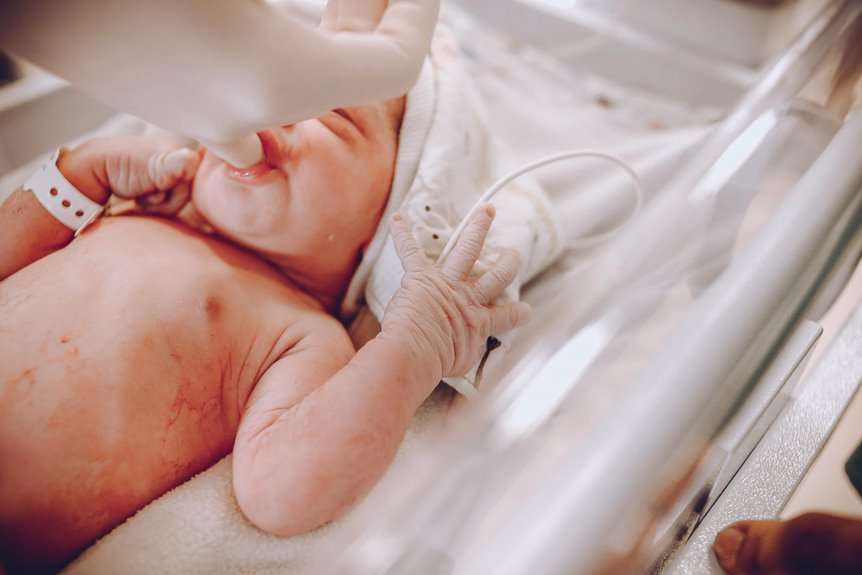
Pediatric adjustments represent a specialized approach to chiropractic care that prioritizes the unique anatomical and physiological characteristics of children. By employing gentle techniques tailored to developing bodies, practitioners guarantee that these adjustments are both safe and effective in addressing various common ailments. Beyond merely alleviating discomfort, such interventions can considerably enhance overall wellness and support healthy growth. As the conversation unfolds, it becomes critical to examine the underlying principles that govern these practices and the specific benefits they offer to the pediatric population.
Understanding Pediatric Chiropractic Care
Understanding Pediatric Chiropractic Care involves recognizing the unique needs of children and how chiropractic adjustments can support their overall health and development. Children are not simply scaled-down adults; their bodies are still growing and developing, which necessitates a tailored approach to healthcare.
Pediatric chiropractic care focuses on the spine and nervous system, fundamental components for ideal function and growth. Chiropractors specializing in pediatric care assess children for various conditions, including spinal misalignments, postural issues, and developmental concerns.
These adjustments can promote proper alignment, which is essential for the nervous system's ability to communicate effectively with the body. This communication underpins various bodily functions, including immune response, growth, and overall well-being.
Moreover, early intervention through chiropractic care can address potential issues before they develop into more serious conditions. By employing evidence-based practices, pediatric chiropractors guarantee that adjustments are safe and appropriate for children's specific age and size.
This holistic approach encourages a healthy lifestyle, equipping children with the foundation for lifelong wellness. Overall, pediatric chiropractic care plays a significant role in supporting the developmental health of children, fostering a brighter and healthier future.
Gentle Techniques for Children
Gentle techniques for children in chiropractic care are specifically designed to accommodate the delicate nature of a child's developing body. These methods prioritize safety and comfort while effectively addressing musculoskeletal issues. Chiropractors trained in pediatric care utilize gentle adjustments, which involve minimal force and a focus on the child's unique anatomical structure.
Common techniques include the use of specialized instruments or soft tissue modalities that provide subtle pressure, ensuring the child experiences a gentle and reassuring treatment. Techniques such as the Activator Method or craniosacral therapy are particularly popular, as they allow for precise adjustments without the need for aggressive manipulation.
Moreover, practitioners often incorporate age-appropriate positioning and techniques to engage with children effectively, fostering a positive environment that encourages cooperation and reduces anxiety. The goal is to promote relaxation, enhancing the overall experience for both the child and the caregiver.
Parents can expect the chiropractor to assess the child's needs holistically, considering factors such as developmental milestones and activity levels. By employing these gentle techniques, chiropractic care for children not only addresses specific concerns but also supports healthy growth and overall well-being.
Common Conditions Treated
Chiropractic care for children effectively addresses a variety of common conditions that can impact their health and development. One prevalent condition treated is colic, which affects many infants and can lead to excessive crying and discomfort. Gentle chiropractic adjustments can help alleviate tension in the spine and improve overall comfort.
Another common issue is ear infections. Research suggests that chiropractic care may reduce the frequency and severity of these infections by enhancing drainage and improving the function of the immune system.
Additionally, children often experience headaches and migraines, which can stem from stress, poor posture, or spinal misalignments. Chiropractic adjustments can help relieve these symptoms and promote better overall well-being.
Moreover, chiropractic care is beneficial for children with scoliosis, as it can help improve spinal alignment and reduce discomfort.
Sports-related injuries are also common among active children, and chiropractic treatment can facilitate faster recovery and enhance performance.
Boosting Immune Function
How can chiropractic care enhance the immune function of children? Chiropractic adjustments are designed to optimize the alignment of the spine and improve the function of the nervous system. Research indicates that a well-functioning nervous system plays a significant role in maintaining immune health. By correcting misalignments, or subluxations, chiropractic care can facilitate better communication between the brain and the immune system, potentially leading to improved immune responses.
Additionally, chiropractic adjustments may help reduce stress levels in children. Chronic stress can adversely affect immune function by releasing hormones that suppress immune activity. Through manual manipulation, chiropractic care can promote relaxation and decrease stress, thereby supporting the immune system's ability to defend against pathogens.
Furthermore, regular chiropractic visits can encourage healthy lifestyle choices, such as better nutrition and physical activity. These factors also contribute positively to immune function.
Enhancing Overall Wellness
The benefits of pediatric chiropractic care extend beyond immune function to encompass overall wellness in children. Chiropractic adjustments can facilitate improved nervous system function, which plays an essential role in regulating various bodily systems. By ensuring that the spine is properly aligned, chiropractic care can enhance communication between the brain and the body, thereby promoting ideal physical health.
Moreover, pediatric chiropractic adjustments may contribute to better sleep patterns, reducing instances of restlessness and discomfort. Improved sleep is fundamental for children's growth, development, and emotional well-being.
Additionally, these adjustments can assist in alleviating common childhood ailments such as headaches, digestive issues, and even allergies, allowing children to engage more fully in daily activities.
Furthermore, chiropractic care encourages a proactive approach to health, instilling lifelong wellness habits in children. By fostering a positive relationship with their bodies, children can learn the importance of maintaining their health through regular check-ups and a balanced lifestyle.
Ultimately, pediatric chiropractic care serves as a valuable component in enhancing overall wellness, empowering children to thrive physically, emotionally, and mentally.
Supporting Healthy Development
Healthy development in children is essential for their long-term physical, emotional, and cognitive well-being. Pediatric adjustments can play a significant role in supporting this development by ensuring that the musculoskeletal system is functioning effectively. Proper alignment of the spine and joints can enhance a child's mobility and coordination, which are vital for engaging in physical activities and social interactions.
Furthermore, pediatric adjustments can improve the nervous system's function, leading to better communication between the brain and body. This enhanced nervous system function may positively affect a child's behavior, focus, and overall emotional health. When children experience less discomfort and improved physical function, they are more likely to participate in play and learning experiences that foster emotional resilience and social skills.
In addition, regular chiropractic care may help in addressing common childhood issues, such as growing pains or postural imbalances, contributing to a healthier growth trajectory.
Safety Protocols in Practice
While ensuring the safety of pediatric patients, practitioners must adhere to rigorous safety protocols that protect both the child and the clinician during chiropractic adjustments. These protocols are designed to minimize risks and enhance the overall efficacy of treatments.
First and foremost, practitioners should conduct thorough assessments to evaluate the child's medical history and current health status. This assessment includes identifying any contraindications for chiropractic care, such as specific congenital conditions or acute injuries.
Once cleared for treatment, the environment must be controlled and child-friendly, ensuring that the treatment area is free from hazards. Practitioners should utilize age-appropriate techniques and tools tailored to the child's size and developmental stage, applying gentle, precise adjustments to avoid excessive force.
Additionally, continuous monitoring of the child's comfort and responses during adjustments is essential. Practitioners must be trained in pediatric techniques and maintain open lines of communication with both the child and their guardians, fostering a trusting atmosphere.
Parental Guidance and Involvement
Active involvement of parents in the chiropractic care process markedly enhances the treatment experience for pediatric patients. When parents engage in their child's care, it fosters a supportive environment that encourages open communication between the chiropractor, the child, and the parents. This collaborative approach not only alleviates any anxiety the child may feel but also allows parents to better understand the benefits and rationale behind specific adjustments.
Parental guidance is essential for reinforcing treatment protocols at home, such as exercises, nutrition, and ergonomics, which can greatly impact the child's overall health and recovery. Educating parents on the importance of regular chiropractic visits creates a consistent routine that promotes long-term wellness.
Moreover, when parents actively participate in discussions regarding treatment goals, they can help set realistic expectations and milestones for their child's progress.
Ultimately, parental involvement not only enhances the effectiveness of chiropractic care but also empowers parents to take an active role in their child's health journey. By fostering a partnership between families and healthcare providers, we can create a more holistic and effective approach to pediatric chiropractic treatment, leading to better health outcomes for children.
Conclusion
Pediatric chiropractic care emerges as a safe and effective option for addressing the unique health needs of children. Through gentle techniques, practitioners can alleviate discomfort associated with common childhood ailments while simultaneously promoting ideal spinal alignment and enhancing immune function. By fostering a holistic approach to health, pediatric adjustments support healthy physical development and encourage lifelong wellness habits. Emphasizing safety protocols and parental involvement further guarantees that children receive care tailored to their individual needs.