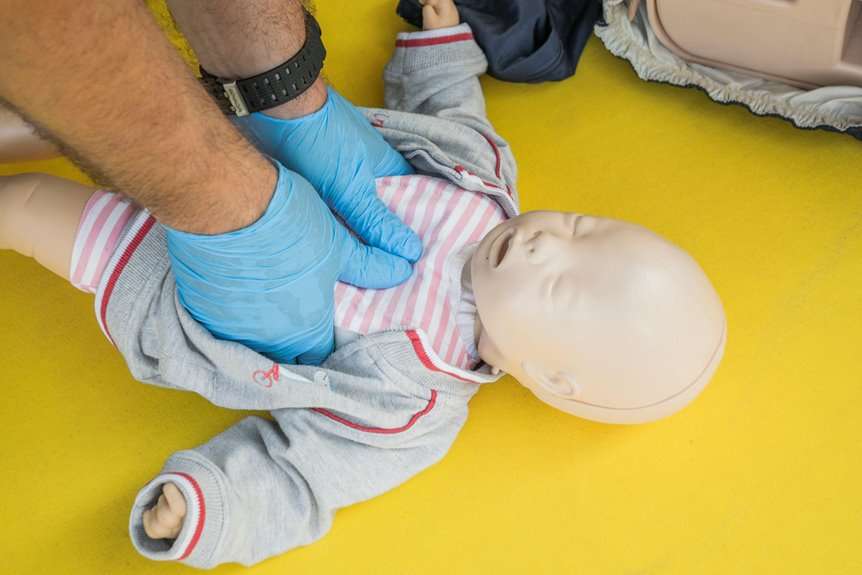
The integration of infant-friendly techniques within pediatric care represents a significant advancement in ensuring the well-being of our youngest patients. By focusing on the unique anatomical and developmental characteristics of infants, practitioners can employ gentle methods that prioritize safety and comfort. These techniques not only address common health concerns but also enhance the overall growth and development of infants. As we explore the specifics of these approaches, one must consider how the careful selection of techniques can profoundly impact both the infant's experience and the caregiver's peace of mind. What implications does this hold for future practices?
Understanding Infant Anatomy
A thorough understanding of infant anatomy is essential for providing effective pediatric care. Infants possess distinct anatomical features that differ greatly from those of older children and adults. Their body proportions, such as a larger head relative to body size, necessitate specialized assessment and treatment approaches.
Additionally, the respiratory system in infants is characterized by smaller airways and more compliant thoracic structures, making them more susceptible to respiratory distress and requiring careful monitoring.
The cardiovascular system in infants also presents unique challenges; their heart rates are typically higher, and they rely heavily on adequate blood volume and circulation for ideal function. Understanding these anatomical and physiological differences is critical for recognizing normal developmental milestones and identifying potential health issues early on.
Moreover, the musculoskeletal system of infants is still developing, with softer bones and cartilage, making them vulnerable to injuries during handling or treatment. An in-depth knowledge of these anatomical aspects allows healthcare providers to tailor their interventions effectively, ensuring safety and efficacy in pediatric care.
Ultimately, this foundational knowledge is instrumental in fostering a supportive healthcare environment aimed at promoting the health and well-being of infants.
Benefits of Chiropractic Care
Chiropractic care offers numerous benefits for infants, promoting overall health and development. One of the primary advantages is improved spinal alignment, which can aid in enhancing the nervous system's function. Ideal spinal health is essential for infants, as it supports their growth and can alleviate common discomforts such as colic, gas, and fussiness.
Additionally, chiropractic adjustments may help improve sleep patterns in infants. By addressing misalignments, many parents report better sleep quality, leading to a more restful experience for both the infant and caregivers.
Moreover, chiropractic care can support the development of motor skills by facilitating better coordination and balance.
Another significant benefit is the potential enhancement of immune function. Regular chiropractic adjustments can help maintain the body's natural defenses, which is particularly important during the early stages of life when infants are vulnerable to infections.
Furthermore, chiropractic care fosters a holistic approach to health, encouraging parents to adopt healthier lifestyle practices. By integrating chiropractic treatment, families may develop a greater understanding of wellness and preventative care, ultimately contributing to their infant's long-term health trajectory.
Safe Techniques for Newborns
Guaranteeing the safety and comfort of newborns during chiropractic care requires the use of gentle and precise techniques tailored to their delicate bodies. Practitioners must first conduct a thorough assessment to identify any specific concerns or contraindications before commencing treatment. This initial evaluation guarantees that the techniques used are appropriate for each newborn's unique needs.
Chiropractors should prioritize a calm and supportive environment, minimizing stress for both the infant and the caregiver. Techniques employed should involve minimal force, utilizing the practitioner's fingertips to apply gentle pressure. The focus should be on maintaining the natural alignment of the spine and addressing any tension in the surrounding musculature.
Additionally, practitioners should be well-versed in the anatomical and physiological differences between newborns and older children or adults. This knowledge is vital in understanding how to effectively and safely manage adjustments.
Frequent communication with parents about the process and expected outcomes fosters trust and reassures them regarding their child's care.
Gentle Adjustments for Infants
Gentle adjustments for infants are vital in promoting ideal spinal health and overall well-being. The delicate structure of an infant's spine requires specialized techniques that prioritize safety and comfort. Pediatric chiropractors are trained to perform these adjustments with a gentle touch, using methods that are markedly different from those applied to adults.
These adjustments often involve light pressure and specific positioning, ensuring that the force applied is minimal and appropriate for an infant's developing body. The goal is to enhance spinal alignment, support neurological function, and facilitate natural movement patterns. Common techniques may include gentle mobilization of the vertebrae and soft-tissue work, which can help alleviate tension and promote relaxation.
It is essential for practitioners to assess each infant individually, taking into account their unique needs and any potential sensitivities. Parents are encouraged to communicate openly with their pediatric chiropractors, discussing any concerns or observations related to their child's posture and mobility.
Common Conditions Treated
Pediatric chiropractors focus on addressing a range of common conditions that can affect infants, helping them thrive in their early developmental stages. One prevalent issue is colic, characterized by excessive crying and discomfort, which can often be alleviated through gentle chiropractic adjustments. These techniques aim to relieve tension in the infant's nervous system, promoting better digestion and comfort.
Another common condition treated is torticollis, where an infant may present with a tilted head due to muscular tightness. Chiropractors work to restore neck mobility and alleviate discomfort, assisting in the development of proper head and neck posture.
Additionally, infants may experience issues related to breastfeeding, such as latch difficulties or discomfort for both mother and child. Chiropractic care can help enhance the alignment and function of the spine and pelvis, facilitating a smoother breastfeeding experience.
Flat head syndrome, or positional plagiocephaly, is also addressed, as chiropractors can provide guidance and adjustments that promote healthy cranial shape development.
Parental Involvement in Care
Collaboration between parents and healthcare providers is essential in optimizing pediatric chiropractic care for infants. Effective communication fosters a supportive environment where parents feel empowered to engage in their child's healthcare journey.
Parents possess invaluable insights regarding their infant's behavioral patterns, preferences, and sensitivities, which can greatly inform the care plan. Active involvement encourages parents to observe and share any changes in their child's health or behavior, allowing healthcare providers to make timely adjustments to treatment strategies.
Educating parents about chiropractic care principles can demystify the process, alleviating anxiety and enhancing their confidence in the treatment. Workshops or informational sessions can serve as platforms for parents to ask questions and express concerns.
Additionally, parents should be encouraged to practice techniques at home that promote their infant's well-being, such as gentle stretches or ergonomic positioning. This hands-on involvement not only strengthens the parent-child bond but also reinforces the effectiveness of professional care.
Ultimately, a collaborative approach guarantees that both parents and healthcare providers work toward common goals, leading to improved outcomes for infants in chiropractic care. By fostering this partnership, the overall experience becomes more enriching for both the child and the family.
Signs Your Baby Needs Care
Recognizing the signs that your baby may need care is crucial for maintaining their health and well-being. Parents should be vigilant for various indicators that could suggest underlying issues requiring medical attention. One of the most common signs is a significant change in feeding patterns; a decrease in appetite or refusal to eat can be alarming and may indicate illness.
Additionally, monitor your baby's activity levels. Lethargy or excessive irritability can signal discomfort or health concerns. Changes in sleep patterns, such as persistent crying during the night or excessive sleepiness during the day, should also be noted.
Fever is another important sign; any temperature above 100.4°F (38°C) in infants under three months warrants immediate medical consultation.
Furthermore, observe for any unusual physical symptoms, such as rashes, swelling, or respiratory distress, including wheezing or difficulty breathing.
Lastly, trust your parental instincts. If something feels off or your baby is not behaving as usual, it is always best to seek professional advice. Early intervention can often lead to better outcomes, ensuring your child's health and comfort.
Choosing a Pediatric Chiropractor
How can you guarantee that your baby receives the best chiropractic care? Choosing a qualified pediatric chiropractor is essential for ensuring the safety and effectiveness of treatment.
Start by verifying the chiropractor's credentials; they should hold a Doctor of Chiropractic degree and have completed specialized training in pediatric care. Look for certifications from recognized organizations, such as the International Chiropractic Pediatric Association (ICPA), which indicates advanced knowledge and skills in working with infants and children.
Next, seek recommendations from healthcare providers, family, or friends who have experience with pediatric chiropractic care. Online reviews and testimonials can also provide insight into the chiropractor's reputation and approach to care.
During the initial consultation, assess the chiropractor's communication style and willingness to answer your questions. A trustworthy pediatric chiropractor should take the time to listen to your concerns and explain treatment options thoroughly.
Additionally, observe the office environment; it should be clean, welcoming, and child-friendly, creating a comfortable atmosphere for both you and your baby.
Ultimately, trust your instincts. You should feel confident and reassured by your choice, knowing that your baby is in capable hands.
Conclusion
In summary, infant-friendly techniques in pediatric care emphasize the importance of safety and comfort while addressing the unique developmental needs of infants. By utilizing gentle adjustments and soft-tissue work, practitioners can effectively treat common conditions and support healthy growth. Parental involvement remains essential in the care process, ensuring that caregivers are informed and engaged. Ultimately, choosing a qualified pediatric chiropractor can foster a positive experience, enhancing both infant well-being and caregiver confidence in pediatric health management.