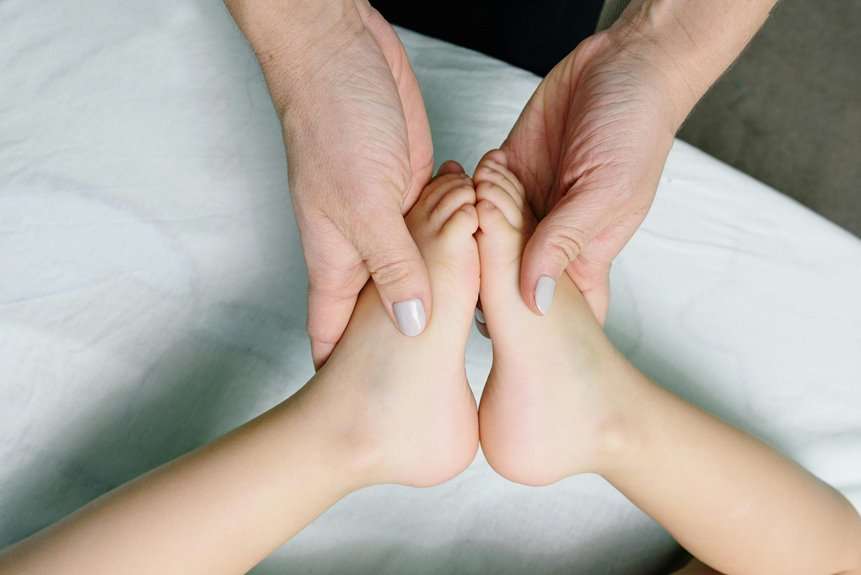
Pediatric care plays a pivotal role in shaping and enhancing children's posture through various methodologies. By implementing personalized chiropractic assessments, practitioners can identify postural irregularities at an early stage, paving the way for effective interventions. Additionally, tailored treatment plans and parental education contribute considerably to fostering proper posture habits. Regular monitoring guarantees that adjustments are made as children develop, while a holistic approach addresses the broader factors affecting posture. Understanding these nuances not only benefits physical health but also impacts a child's overall well-being. The implications of such practices are far-reaching; however, the discussion does not end here.
Personalized Chiropractic Assessments
Conducting personalized chiropractic assessments is crucial for understanding the unique needs of each child's developing body. These assessments involve a thorough evaluation of the child's spinal alignment, posture, and overall musculoskeletal health. By utilizing a combination of observation, physical examination, and, when necessary, diagnostic imaging, chiropractors can identify specific areas of concern that may affect the child's posture and growth.
Children's bodies undergo rapid changes, making it critical to assess their posture regularly. A personalized assessment takes into account factors such as age, activity level, and any pre-existing conditions. This extensive approach allows practitioners to detect early signs of postural issues, such as scoliosis or forward head posture, which can hinder a child's physical development and overall well-being.
Moreover, the information gathered during these assessments serves as a foundation for educating parents about the importance of maintaining good posture. By emphasizing the connection between posture and health, chiropractors empower families to adopt proactive measures that support their children's physical development.
Ultimately, personalized chiropractic assessments play a crucial role in fostering ideal posture and enhancing the overall quality of life for children.
Targeted Treatment Plans
Once a personalized chiropractic assessment has been completed, developing targeted treatment plans becomes vital for addressing the specific needs of each child. These treatment plans are tailored to correct postural imbalances, enhance musculoskeletal function, and promote overall well-being.
The first step in crafting a targeted treatment plan involves identifying the child's unique posture-related issues, such as scoliosis, kyphosis, or forward head posture. Following this, a combination of chiropractic adjustments, therapeutic exercises, and mobility training is implemented to restore ideal alignment and function.
These interventions not only alleviate discomfort but also foster better posture habits. In addition to manual therapies, the incorporation of specific exercises helps strengthen the core and improve flexibility.
This holistic approach guarantees that children develop the necessary physical capabilities to maintain proper posture. Frequent progress evaluations are vital, allowing practitioners to adjust treatment plans as the child develops and their needs evolve.
Posture Education for Parents
Educating parents about posture is essential for fostering a healthy foundation for their children's physical development. Parents play an important role in shaping their children's habits, and understanding the principles of good posture can greatly impact their overall well-being.
To effectively educate parents, it is important to highlight the key elements of proper posture, including alignment of the spine, shoulder positioning, and the importance of regular movement.
Workshops or informational sessions can be organized to provide parents with practical tips and techniques to encourage good posture at home, such as creating ergonomic seating arrangements for homework and promoting active playtime.
Visual aids, such as diagrams and videos, can enhance understanding, while demonstrating exercises that strengthen core muscles can empower parents to actively engage their children in maintaining proper posture.
Additionally, addressing common misconceptions about posture, such as the idea that slouching is harmless, is essential for cultivating awareness.
Regular Monitoring and Adjustments
Regular monitoring and adjustments are essential for ensuring that children maintain proper posture throughout their developmental years. Pediatric care plays a pivotal role in identifying any postural deviations early and implementing timely interventions. Regular check-ups enable healthcare providers to assess a child's growth patterns, muscle strength, and overall physical development, which are critical factors influencing posture.
During these evaluations, pediatricians can detect issues such as rounded shoulders, forward head posture, or lumbar hyperlordosis. Addressing these concerns promptly can prevent the progression of postural problems and associated discomfort. Adjustments may include recommending specific exercises to strengthen core and back muscles, ergonomic assessments of the child's workspace, and guidance on proper body mechanics during daily activities.
Furthermore, frequent monitoring allows for personalized modifications to intervention strategies as a child grows. As children engage in various activities, from sports to academic tasks, their postural needs may change, necessitating ongoing reassessment.
Holistic Approach to Wellness
A thorough approach to wellness encompasses not only physical health but also emotional, social, and mental well-being. In pediatric care, this holistic perspective is critical in addressing the multifaceted influences on a child's posture and overall development.
By integrating physical assessments with evaluations of emotional and social factors, healthcare providers can identify potential issues that may affect a child's posture, such as stress or lack of social interaction.
Emotional well-being plays a significant role in a child's posture; stress and anxiety can lead to muscle tension and postural imbalances. Furthermore, social environments, including family dynamics and peer interactions, can influence a child's self-esteem and body awareness, further affecting posture.
By addressing these aspects, pediatric care professionals can develop tailored interventions that promote healthy posture through extensive wellness strategies.
Incorporating mindfulness practices, physical activities, and encouraging positive social interactions can enhance both posture and overall health. This holistic approach not only improves physical alignment but also fosters resilience, confidence, and emotional stability, ultimately empowering children to thrive in their development and daily activities.
Conclusion
In conclusion, pediatric care plays an essential role in enhancing children's posture through various effective strategies. Personalized chiropractic assessments facilitate early detection of postural issues, while targeted treatment plans guarantee individualized care. Educating parents on proper posture reinforces healthy habits at home. Regular monitoring allows for necessary adjustments as children develop, and a holistic approach promotes overall well-being. Collectively, these methods contribute greatly to improved posture and the overall health of children.