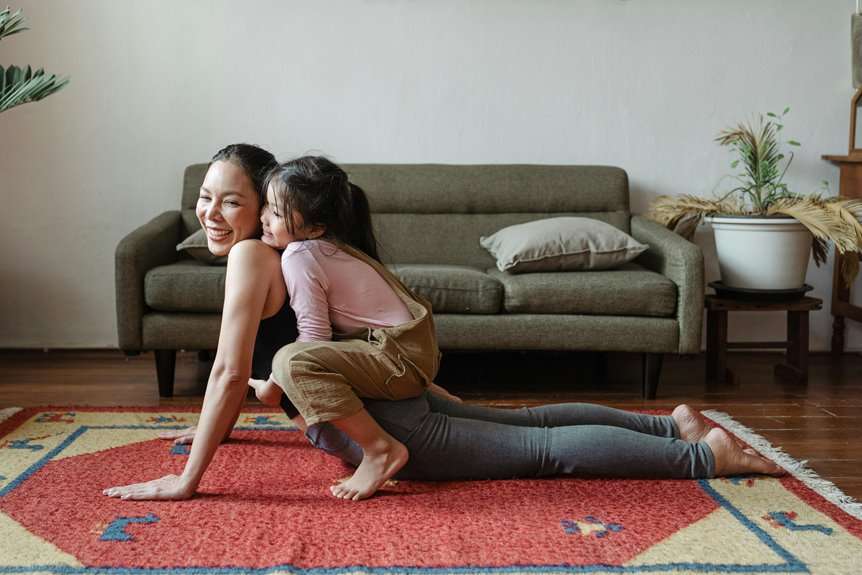
As concerns about children's health and well-being continue to rise, the importance of promoting proper posture has become increasingly evident. Natural methods for enhancing posture not only support physical development but also contribute to overall confidence and academic performance. By exploring a variety of strategies, from ergonomic furniture choices to effective exercise routines, parents and educators can play a pivotal role in fostering healthy habits. However, understanding which approaches yield the most significant benefits requires a closer examination of each method and its impact on children's daily lives.
Regular Chiropractic Adjustments
As children grow, their bodies undergo significant changes that can affect their posture; consequently, regular chiropractic adjustments can play an essential role in promoting proper spinal alignment and overall musculoskeletal health.
During childhood, the spine experiences rapid development, which can lead to misalignments due to various factors, including poor ergonomics, heavy backpacks, and sedentary lifestyles.
Chiropractic care focuses on the relationship between the spine and the nervous system, and practitioners utilize specific techniques to address misalignments and encourage ideal function. Regular adjustments can help correct postural imbalances and alleviate discomfort caused by these changes, thus fostering healthier spinal development.
Moreover, chiropractic adjustments may enhance the body's ability to adapt to physical stressors, improving overall mobility and flexibility. By establishing a foundation of proper spinal alignment, children may experience fewer issues related to posture as they mature, potentially reducing the risk of long-term complications, such as chronic pain or musculoskeletal disorders.
Incorporating regular chiropractic care into a child's health regimen can be a proactive approach to nurturing their developing bodies and supporting their overall well-being during these formative years.
Exercises for Strengthening Muscles
How can targeted exercises contribute to the development of strong muscles in children? Engaging in strength-building exercises is essential for promoting muscle development and improving overall posture in children. Strengthening exercises help to enhance muscle tone and endurance, which in turn supports the spine and promotes an aligned posture.
Incorporating bodyweight exercises, such as push-ups, squats, and planks, can effectively target multiple muscle groups. These activities not only improve strength but also foster coordination and balance, essential components of good posture.
Resistance training, using light weights or resistance bands, can also be beneficial, provided it is approached with proper guidance and supervision to guarantee safety.
Additionally, activities like swimming, gymnastics, or martial arts can contribute to muscle strengthening while enhancing flexibility and body awareness.
Consistency is key; a regular exercise routine, tailored to a child's interests and abilities, will yield the best results.
Ultimately, by incorporating targeted exercises into their daily activities, children can develop the muscle strength necessary to support their growing bodies and maintain good posture, setting a foundation for lifelong health and wellness.
Ergonomic Furniture Choices
In addition to targeted exercises, the choice of ergonomic furniture plays a significant role in promoting good posture among children. Selecting furniture designed to support healthy spinal alignment can have a lasting impact on a child's posture, especially during vital developmental years.
Ergonomic chairs should feature adjustable heights and lumbar support to accommodate a child's growth while encouraging proper seating posture. A chair that promotes a straight back and encourages feet to rest flat on the ground is essential.
Desks should also be at an appropriate height, allowing children to maintain a neutral wrist position while writing or using a computer.
In addition, incorporating furniture that allows for movement, such as standing desks or balance chairs, can encourage dynamic postures, reducing the risk of slouching. When children alternate between sitting and standing, they engage their core muscles more effectively, which further supports spinal health.
Finally, it is important to involve children in the selection process, educating them on the importance of ergonomic choices. By fostering an awareness of posture from a young age, parents and caregivers can create an environment that promotes healthy habits, ultimately leading to better posture and overall well-being.
Encouraging Active Play
Active play is essential for children's physical development and plays a critical role in promoting good posture. Engaging in various physical activities encourages the strengthening of core muscles, which provide stability and support for the spine. Activities such as climbing, running, and jumping not only enhance muscle tone but also improve balance and coordination, essential components of maintaining proper posture.
To encourage active play, parents and caregivers can create an environment that promotes movement. This includes providing access to outdoor spaces, parks, and playgrounds where children can explore and engage in different physical activities.
Limiting screen time and encouraging participation in sports or group activities can also foster an active lifestyle.
Incorporating structured play, such as dance classes or martial arts, can further enhance physical fitness while instilling a sense of discipline and focus.
Additionally, families can engage in activities together, such as biking or hiking, to model healthy behaviors.
Stretching Routines for Flexibility
Regular stretching routines play a significant role in enhancing flexibility, which is essential for maintaining ideal posture in children. Incorporating consistent stretching into a child's daily routine can foster muscle elasticity and joint mobility, reducing the risk of postural imbalances.
Simple stretches such as the cat-cow stretch, butterfly stretch, and shoulder rolls can be effective in promoting overall flexibility. The cat-cow stretch helps to mobilize the spine, encouraging proper alignment, while the butterfly stretch targets the hip flexors, vital for maintaining an upright posture.
Shoulder rolls can alleviate tension in the upper body, enabling children to hold their shoulders back and down.
To maximize the benefits of stretching, it is important to encourage children to perform these exercises gently and hold each stretch for approximately 15-30 seconds. Establishing a routine, ideally after physical activity or during calm times, can help children develop a positive association with stretching.
Ultimately, regular stretching not only supports physical health but also instills a habit of self-care that can benefit children throughout their lives. By fostering flexibility through these routines, we can help children achieve and sustain better posture naturally.
Mindfulness and Body Awareness
Mindfulness and body awareness are essential components in promoting healthy posture among children. By fostering an understanding of their own bodies, children can develop the ability to recognize and correct poor posture habits. This awareness encourages them to engage in activities that promote proper alignment and reduce strain on their muscles and joints.
Practicing mindfulness techniques, such as deep breathing and focused attention, can help children tune into their bodies. These techniques allow them to identify signs of discomfort or tension, facilitating timely adjustments to their posture.
Mindfulness activities, including yoga or tai chi, can further enhance body awareness, teaching children how to maintain a balanced and aligned stance during various movements.
Incorporating mindfulness into daily routines can be beneficial. For instance, encouraging children to take short breaks during sedentary activities to check in with their posture can instill lifelong habits.
Simple reminders, like standing tall or sitting with a straight back, can enhance their awareness and promote better posture overall.
Nutritional Support for Growth
Nutritional support plays an essential role in the healthy growth and development of children, influencing not only their physical stature but also their overall posture. A balanced diet rich in vitamins and minerals is fundamental for building strong bones and muscles, which are critical for maintaining an upright posture.
Key nutrients include calcium and vitamin D, necessary for bone health, while protein supports muscle development. Foods such as dairy products, leafy greens, fish, and lean meats should be incorporated into children's diets to guarantee they receive these nutrients. Omega-3 fatty acids, found in fish and walnuts, can also promote anti-inflammatory responses, aiding in muscle recovery and encouraging peak growth.
Additionally, adequate hydration is imperative for maintaining muscle function and overall health. Encouraging children to drink water regularly can help prevent fatigue and dehydration, which may negatively impact their posture and physical activity levels.
Whole grains, fruits, and vegetables are also important, providing essential fiber and antioxidants that contribute to overall well-being.
Conclusion
To sum up, fostering healthy posture in children can be achieved through a multifaceted approach. Regular chiropractic adjustments, strengthening exercises, ergonomic furniture, and active play contribute greatly to spinal health. Additionally, incorporating stretching routines enhances flexibility, while mindfulness practices promote body awareness. Nutritional support further aids in growth and development. By implementing these strategies, caregivers and educators can effectively instill lifelong habits that promote ideal posture and overall well-being in children.