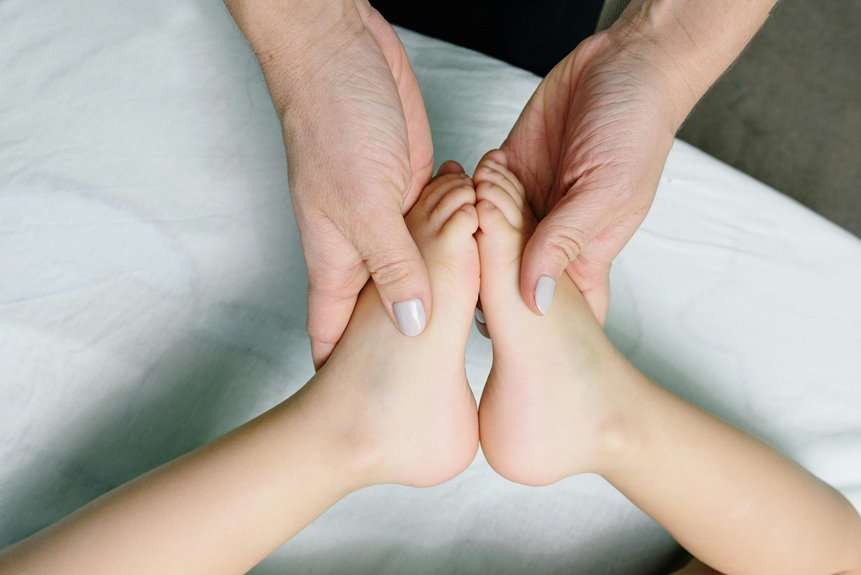
Pediatric care plays a vital role in fostering the health and development of children, addressing their unique medical needs with specialized attention. From promoting enhanced growth and improved immune function to implementing effective pain management strategies, the advantages are multifaceted. In addition, the focus on better posture and emotional well-being underscores the all-encompassing nature of pediatric services. Each of these benefits contributes considerably to a child's overall quality of life. However, understanding how these elements interconnect reveals even deeper implications for long-term health outcomes. What specific advantages stand out most in this intricate landscape?
Enhanced Growth and Development
Enhanced growth and development in pediatric care is essential for guaranteeing that children reach their full potential both physically and mentally. Pediatric care encompasses a holistic approach that addresses the unique developmental needs of children, focusing on regular monitoring and timely interventions. Through routine check-ups, healthcare professionals can identify growth patterns and developmental milestones, allowing for early detection of potential issues.
Furthermore, pediatric care emphasizes the importance of nutrition, exercise, and mental well-being, which are all fundamental components of healthy growth. Nutritional guidance helps guarantee that children receive the essential vitamins and minerals required for proper physical development. Meanwhile, promoting physical activity fosters not only physical strength but also social skills and emotional resilience.
Additionally, pediatric care provides resources and support for parents, equipping them with knowledge and strategies to encourage healthy habits at home. This partnership between healthcare providers and families is essential for creating an environment conducive to peak growth and development.
Ultimately, a strong foundation in pediatric care can lead to improved health outcomes and a higher quality of life for children as they progress into adulthood, enhancing their overall potential in various aspects of life.
Improved Immune Function
A strong immune system is vital for children's overall health, as it protects them from infections and diseases that can impede their growth and development. Pediatric care plays a significant role in enhancing immune function through a variety of strategies, including vaccinations, regular health check-ups, and education about healthy lifestyle choices.
Immunizations are a cornerstone of pediatric care, providing children with the necessary antibodies to fend off common illnesses. Following the recommended vaccination schedule guarantees that children are protected from preventable diseases, which can have serious long-term consequences.
Additionally, pediatricians monitor children's growth and development, identifying any potential health issues that could compromise immune function early on.
Moreover, pediatric care emphasizes the importance of nutrition and physical activity in bolstering the immune system. Healthcare providers guide parents on providing balanced diets rich in vitamins and minerals, which are essential for peak immune response.
Regular physical activity is also encouraged, as it promotes overall well-being and strengthens the immune system.
Alleviation of Pain and Discomfort
Effective pediatric care not only strengthens immune function but also addresses the alleviation of pain and discomfort in children. Pain management is a critical component of pediatric care, as children may struggle to articulate their pain levels and experiences. Pediatric specialists are trained to recognize and assess various types of pain, whether acute or chronic, and to implement appropriate interventions tailored to the child's developmental stage.
Techniques used in pediatric pain management include medication, physical therapy, and alternative treatments such as acupuncture or mindfulness practices, depending on the individual needs of the child. By employing age-appropriate strategies, healthcare providers can minimize discomfort caused by medical procedures, injuries, or chronic conditions.
Additionally, effective communication with both the child and their caregivers is essential in alleviating anxiety and fear associated with pain. Educating parents about pain management options empowers them to advocate for their child's comfort during treatment.
Ultimately, the goal of alleviating pain and discomfort in pediatric care is to enhance the overall quality of life for children, enabling them to engage in daily activities and developmental milestones without the burden of unmanaged pain.
Better Posture and Alignment
Proper posture and alignment are critical aspects of pediatric care that contribute to a child's overall health and development. Good posture supports ideal musculoskeletal function, allowing children to engage in daily activities with ease and confidence. Pediatric care often includes assessments and interventions aimed at correcting postural issues, which can lead to long-term benefits.
Early identification of postural problems can prevent the development of more serious conditions, such as scoliosis or chronic pain. Through regular check-ups, healthcare professionals can monitor a child's growth and provide guidance on maintaining proper alignment during various activities, including sitting, standing, and playing. This proactive approach not only addresses existing concerns but also educates parents and children about the importance of posture in everyday life.
Moreover, improved posture enhances a child's physical appearance and self-esteem, fostering a positive body image. By promoting proper alignment, pediatric care encourages children to build healthy habits early on, which can carry into adulthood.
Ultimately, a focus on better posture and alignment not only supports physical health but also contributes to a child's overall well-being, enabling them to thrive in all areas of life.
Support for Emotional Well-being
Emotional well-being is a vital component of pediatric care that complements the physical aspects of health, such as proper posture and alignment. Addressing emotional health in children is essential, as it influences their overall development, behavior, and ability to cope with stress.
Pediatric care provides a supportive environment where healthcare professionals can identify emotional and psychological challenges early on, allowing for timely interventions. Healthcare providers are trained to recognize signs of anxiety, depression, and other emotional disorders in children.
Through regular check-ups, they can foster open communication, encouraging children to express their feelings and concerns. This proactive approach not only alleviates potential mental health issues but also empowers children to develop healthy coping mechanisms.
Furthermore, pediatric care often incorporates family involvement, recognizing the significant impact of home dynamics on a child's emotional state. By educating families about emotional well-being, healthcare professionals can help create a nurturing environment that supports positive mental health.
Conclusion
To sum up, pediatric care plays an essential role in promoting children's health and well-being through various advantages. Enhanced growth and development, improved immune function, effective pain management, better posture, and emotional support collectively contribute to a child's overall quality of life. Such extensive care not only addresses immediate health concerns but also lays the foundation for a healthier future. The importance of pediatric care cannot be overstated, as it greatly influences children's physical, emotional, and developmental outcomes.